In 2026, choosing Patient comfort solutions is about more than adding softer cushions or quieter equipment. It means understanding what patients actually experience during care: pressure from a chair, glare from a bedside lamp, confusing controls, or a cold blanket. Small details can shape whether someone feels respected and at ease. Comfort is personal, too. A solution that helps one patient may frustrate another.
Surgeon and public health researcher Atul Gawande wrote, “Better is possible. It does not take genius. It takes diligence. It takes moral clarity. It takes ingenuity. And above all, it takes a willingness to try.” His words offer a useful standard for evaluating comfort: look carefully, test thoughtfully, and keep learning. They are not a substitute for clinical evidence or patient feedback. They are a reminder that improvement takes work.
A practical selection process should weigh patient needs, ease of use, cleaning requirements, durability, accessibility, and total cost. Ask patients and frontline staff to try shortlisted options in realistic settings. Notice whether buttons are easy to reach, surfaces feel comfortable, and equipment fits the room without obstructing care. Review manufacturer information and relevant evidence, and check how products will be maintained over time. No checklist is perfect. Preferences vary, and early feedback may miss problems that appear after weeks of use. Revisit the choice, listen to concerns, and adjust when the evidence points elsewhere. This guide explores how to compare options with care, rather than choosing based on appearance or a single impressive claim.
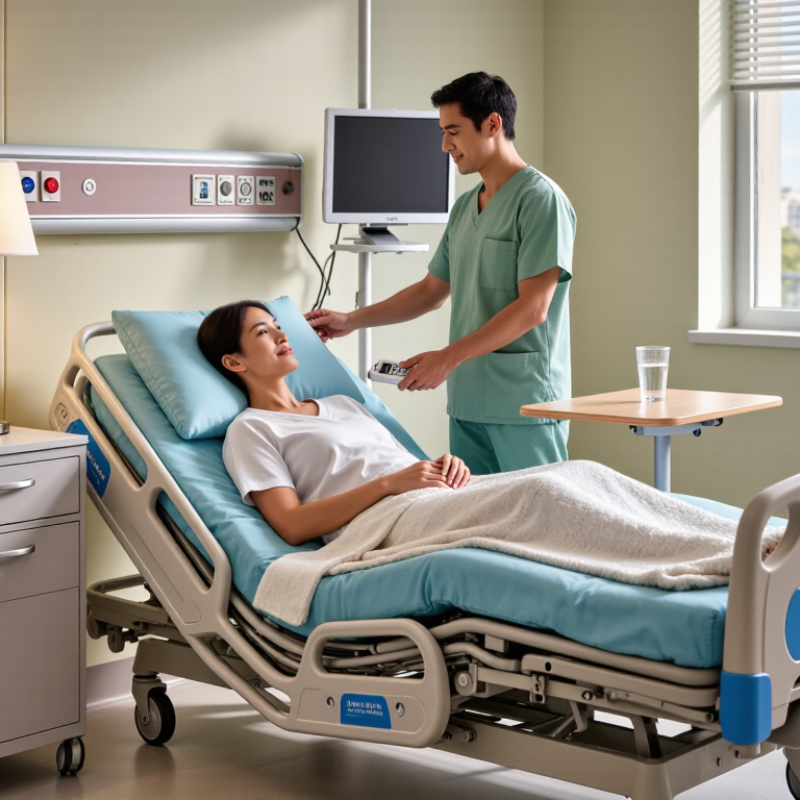
How to Choose Patient Comfort Solutions in 2026?
Patient comfort begins with context, not a product catalogue. In an acute hospital room, pain, noise, cold air, and limited movement may dominate the patient’s experience. A quiet sleep period, adjustable positioning, and easy access to water can matter more than decorative features. Staff should ask direct questions and observe nonverbal signs, especially when patients cannot communicate clearly.
At home, comfort solutions must fit real routines. A person recovering after surgery may need safer transfers, breathable bedding, clear lighting, and fewer obstacles near the bed. Caregivers also need simple controls and cleaning instructions. In long-term care, dignity and personal preference become central. Familiar textures, privacy, temperature control, and meaningful daily choices can reduce distress.
Small details matter.
Outpatient settings create different pressures. Patients may wait while anxious, uncomfortable, or exposed to unnecessary noise. Supportive seating, understandable instructions, and discreet privacy measures can improve the visit without slowing clinical work. Children, older adults, and people with sensory sensitivities may need different approaches.
Comfort assessments should involve nurses, therapists, caregivers, and patients. Evidence-informed checklists help, but they cannot replace conversation. A checklist can miss culture. Staff assumptions can also misread silence as comfort. Trial the solution, record the response, and revise it when needed. Real experience often reveals what planning overlooked.

How to Choose Patient Comfort Solutions in 2026?
Assess Safety, Clinical Evidence, and Accessibility
A comfort solution should make care easier without adding avoidable risk. Check materials, cleaning instructions, stability, and fit before use. For a bedside support, for example, confirm that it stays in place when a patient shifts. Ask whether staff can inspect it quickly and clean it between uses. Small details matter. Also consider skin sensitivity, mobility limits, and whether the item could obstruct clinical equipment. A product that feels soothing in one setting may be unsuitable in another.
Look for evidence that matches the intended use and patient group. Prefer clinical studies or independent evaluations that explain how outcomes were measured, not just testimonials or broad claims. Ask what changed, for whom, and over what period. Evidence may be limited, and that should be stated plainly. A polished study summary is not the same as proof of benefit. Reviewers can miss practical problems when they focus only on published results; that is worth admitting.
Accessibility affects whether a solution works beyond the assessment room. Consider cost, availability, language, sensory needs, and whether patients can use it without extra help. Invite feedback from people with different abilities, and observe real use where possible. Can someone with limited grip adjust it? Are instructions readable under ordinary room lighting? These checks may seem modest. They can reveal gaps that a checklist alone will not catch. Reassess after introduction, since comfort and usability vary across patients and settings.
Assess safety, clinical evidence, and accessibility. WHO reports that 56.8 million people need palliative care each year, while access remains uneven worldwide.
The accessibility indicators show why patient comfort solutions should be evaluated not only for safety and clinical evidence, but also for availability in lower-resource settings. Data source: World Health Organization, Palliative Care Fact Sheet.
Compare Solutions by Function and Patient Population
Start with the discomfort a solution is meant to address. A positioning aid may reduce pressure during a long procedure, while a warm blanket can help a patient who feels chilled. For dry clinical environments, moisturizing products may ease skin discomfort. Match the function to the situation, not just the product description. Small details matter.
Then consider who will use it. Older adults may need easy-to-grip controls and gentle support when moving. Children often benefit from familiar textures and simple explanations. Patients with limited mobility may need equipment that caregivers can adjust without awkward lifting. Ask about allergies, sensory sensitivities, skin condition, and communication needs. One solution rarely fits everyone.
Compare practical details, too: cleaning instructions, setup time, storage, and compatibility with existing care routines. A cushion that feels comfortable but shifts during repositioning may create extra work. Check manufacturer guidance and consult the clinical team about individual risks. Comfort is personal, and staff observations can reveal issues that a product sheet misses. The categories are not always neat. A quiet, dim space may help one patient, yet unsettle another. Record what works, revisit it when needs change, and be honest when evidence is limited.
Choosing patient comfort solutions in 2026 means looking beyond the purchase price. Compare the full cost: equipment, staff training, replacement parts, cleaning supplies, and downtime. The American Hospital Association’s 2024 report, “The Cost of Caring,” found that labor accounted for 56% of hospital expenses in 2023. That makes staff time a real part of any comfort solution’s cost. Can staff adjust a support surface quickly during a busy shift? Are controls easy to reach while helping a patient reposition? A solution that saves minutes at the bedside may be more useful than one with extra features that staff rarely use. Test it in real workflows.
Maintenance deserves equal attention. Ask how often components need inspection, whether routine cleaning requires special steps, and how quickly common repairs can be completed. The U.S. Bureau of Labor Statistics reported a 2023 total recordable injury rate of 5.5 cases per 100 full-time workers in nursing and residential care facilities. This does not prove that any single device prevents injuries, but it supports careful review of staff handling demands. Look for clear maintenance instructions and build checks into existing shift routines. A small snag matters. If a cushion takes extra time to dry, or a control is awkward with gloves, staff may work around it. That is worth testing before purchase.
How to Choose Patient Comfort Solutions in 2026?
Select, Implement, and Reassess the Best-Fit Solutions
Patient comfort begins with careful observation, not attractive equipment. Watch how patients enter, sit, rest, and request help. A useful solution should support comfort, safety, hygiene, and independent movement. Ask nurses about repeated complaints, such as cold blankets, harsh lighting, or difficult controls. Include patients with different ages, mobility levels, and sensory needs. Their experiences often reveal problems that routine audits miss.
Tips: Test solutions in one room first. Measure call-response times, skin pressure, cleaning effort, and patient feedback. Check whether staff can explain the controls clearly. Record both positive and negative comments. Small details matter. A loose cable or confusing button can quickly damage confidence. Do not rely on one demonstration; real wards are noisier and less predictable.
Implementation should include staff training, written procedures, and a clear review date. Monitor comfort scores alongside falls, assistance requests, maintenance reports, and infection-control observations. Reassess after several weeks, then again after seasonal changes. A warmer blanket may help in winter but feel excessive in summer. No checklist catches every discomfort. I have found that teams sometimes measure equipment performance while overlooking embarrassment, privacy, or loss of control. That is a gap worth correcting. Choose solutions supported by clinical evidence, practical testing, and transparent feedback, then adjust them when the evidence changes.
| Comfort Solution | Best-Fit Patient Need | Selection Criteria | Implementation Effort | Suggested Reassessment | Recommended Measures |
|---|---|---|---|---|---|
| Positioning and pressure redistribution | Limited mobility, prolonged bed rest, pressure-injury risk, postoperative discomfort | Patient weight and size, mobility level, skin condition, transfer requirements, cleaning process | Moderate | Each shift and after repositioning | Comfort score from 0–10, skin inspection, repositioning compliance, staff handling time |
| Pain assessment and non-drug comfort measures | Acute pain, procedural anxiety, chronic pain, or communication difficulties | Ability to self-report, cognitive status, language access, cultural preferences, contraindications | Low to moderate | Before and after each intervention | Numeric Rating Scale from 0–10, behavioral pain indicators, patient-reported relief, adverse effects |
| Warmth and temperature management | Perioperative patients, chills, cold sensitivity, or temperature-related distress | Core temperature, skin integrity, sensation, circulation, burn-prevention controls | Moderate | At initiation and at least every 30 minutes during active use | Patient comfort rating, temperature trend, skin checks, device-related incidents |
| Noise, light, and sleep-support measures | Sleep disruption, intensive monitoring, overnight admissions, sensory overload | Patient schedule, required alarms, care interruptions, visibility and safety requirements | Low | Daily during the patient stay | Self-reported sleep quality from 0–10, nighttime interruptions, noise observations, alarm response time |
| Hydration, oral care, and nutrition support | Dry mouth, reduced oral intake, swallowing limitations, nausea, or treatment-related appetite loss | Swallowing assessment, aspiration risk, fluid restrictions, diet order, independence level | Moderate | Each shift and after diet changes | Oral dryness rating, intake percentage, swallowing tolerance, nausea score, oral-health observations |
| Mobility and safe ambulation support | Weakness, postoperative recovery, fall risk, or fear of movement | Weight-bearing status, balance, cognition, staffing, equipment compatibility, environment | Moderate to high | Before each mobility session | Mobility distance or level, exertion rating from 0–10, pain before and after activity, near-miss events |
| Communication and sensory accessibility | Hearing, vision, speech, language, cognitive, or health-literacy barriers | Preferred language, assistive-device compatibility, readability, privacy, communication reliability | Low to moderate | At admission and whenever condition changes | Teach-back success, call-response time, communication-related delays, patient understanding score |
| Emotional, social, and environmental support | Anxiety, isolation, unfamiliar surroundings, family distress, or loss of control | Patient preferences, privacy, visiting requirements, safeguarding, psychological and cultural needs | Low to moderate | Daily and after major clinical events | Anxiety rating from 0–10, patient experience feedback, participation in care planning, escalation needs |
Nexia Medical
2255 Glades Rd
Boca Raton, FL 33431
Copyright 2017 Nexia Medical | All Right Reserved.