Walking across a busy clinic or uneven sidewalk can expose weaknesses in balance, strength, and joint stability. Orthopedic support devices may offer practical assistance when pain or injury limits ordinary movement. These tools include braces, walkers, canes, compression supports, and specialized footwear. Each serves a different mechanical purpose. A knee brace can guide motion, while a cane may reduce load during a careful step. Better mobility is not simply about moving faster. It is about moving with greater confidence, control, and less unnecessary strain. Small changes matter.
Choosing a device should begin with a professional assessment, not an attractive design or online promise. An orthopedic clinician can examine gait, posture, muscle strength, skin condition, and the affected joint. Fit matters. A loose brace may slide during stairs. An overly tight support can irritate skin or restrict circulation. Research and clinical experience suggest supports work best when matched to the user’s condition and daily environment. Someone recovering from ankle surgery needs different guidance from an older adult managing chronic knee discomfort. This distinction is easy to miss.
This article explores how Orthopedic support devices can improve everyday mobility, safety, and participation. It also considers limitations, maintenance, and correct progression. A device cannot replace rehabilitation, medical diagnosis, or realistic activity goals. In some cases, reliance may weaken confidence or hide worsening symptoms. That possibility deserves attention. Readers should monitor pain, numbness, swelling, and skin changes, then seek qualified advice when symptoms persist. The most useful support is rarely the most expensive one. It is the one that fits, functions, and supports informed movement.
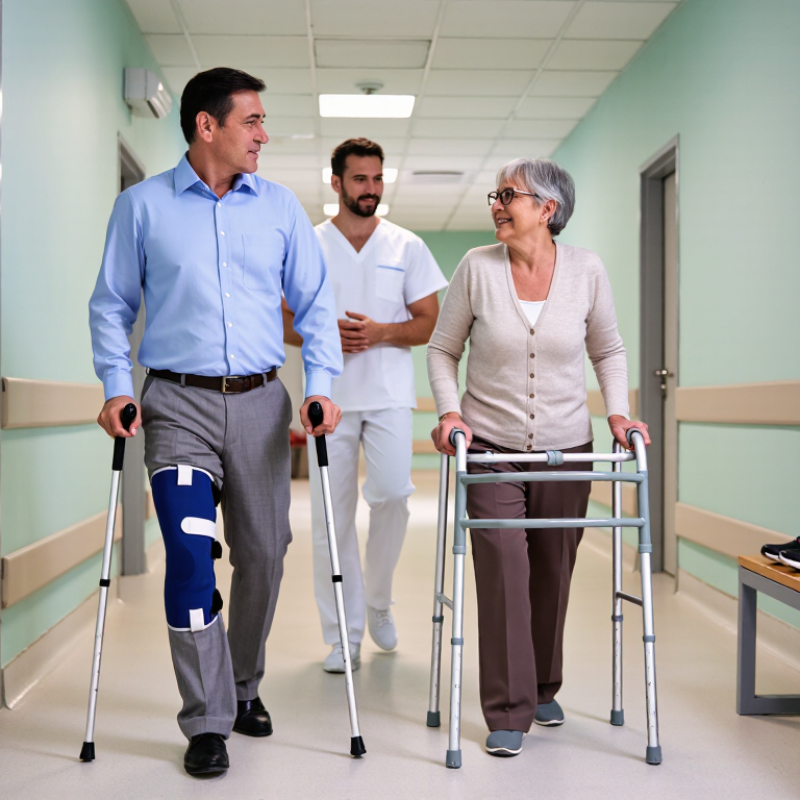
Orthopedic support devices are tools designed to improve movement, stability, alignment, or comfort. They include knee braces, ankle supports, wrist splints, spinal orthoses, canes, walkers, and shoe inserts. Some reduce joint loading. Others limit painful motion or guide a weak limb during daily activities.
The need is substantial. The World Health Organization reports that approximately 1.71 billion people live with musculoskeletal conditions worldwide (WHO, 2022).
In the United States, the Centers for Disease Control and Prevention estimated that 53.2 million adults had doctor-diagnosed arthritis in 2021.
A properly selected device may help someone stand from a chair, climb stairs, or walk across a wet supermarket floor with greater confidence.
Fit matters more than appearance. A knee brace that slides during a short walk cannot provide reliable support. Tight straps may leave red marks around the calf, while loose padding can create friction. Clinical assessment should consider pain, strength, joint alignment, footwear, and the user’s routine. Orthopedic guidance also warns that supports should not replace rehabilitation when muscle weakness is the main problem. That point is easy to overlook. A device can feel protective, yet excessive dependence may reduce active movement. Users should check skin color, numbness, swelling, and comfort, then seek professional adjustment when problems continue.
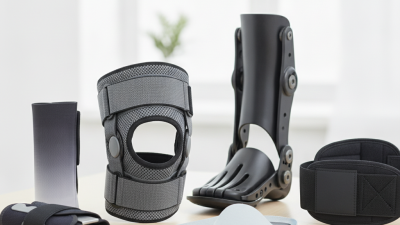
Orthopedic supports can improve mobility by stabilizing joints during everyday movement. A knee brace may reduce unwanted side-to-side motion while walking on uneven ground. An ankle support can limit painful twisting without completely restricting natural movement. This balance matters. Too much support may weaken confidence and change normal movement patterns. Too little support may leave the joint exposed to strain.
Proper fitting is essential. A physical therapist or qualified clinician can assess swelling, joint alignment, strength, and walking habits. They may adjust the support or recommend short wearing periods at first. Skin pressure matters too. Red marks, numbness, or increased pain should not be ignored. These signs may indicate poor fit or excessive compression. Research supports orthopedic supports for selected conditions, but results vary between individuals. They work best alongside strengthening, mobility exercises, and sensible activity changes.
Small improvements count. A person might stand longer, climb stairs more steadily, or walk to the mailbox with less hesitation. However, supports are not a complete solution. Some people rely on them too quickly and avoid rebuilding muscle control. That can limit progress. Regular review helps determine whether the device still serves its purpose, especially after swelling decreases or movement improves.
| Support Device | Primary Mobility Challenge | How It May Improve Mobility | Common Uses | Important Fitting Consideration |
|---|---|---|---|---|
| Ankle-Foot Orthosis (AFO) | Foot drop, ankle instability, or difficulty clearing the foot during walking | Helps position the ankle and foot, supports controlled foot clearance, and may reduce the risk of toe catching | Neurological conditions, lower-leg weakness, and selected gait abnormalities | The device must match the user’s strength, gait pattern, footwear, and range of motion |
| Knee Brace | Knee pain, instability, or unwanted movement after injury | May provide external support, limit painful or excessive motion, and improve confidence during weight-bearing activities | Ligament injuries, patellar tracking concerns, osteoarthritis, and post-injury rehabilitation | A brace should fit securely without restricting circulation or causing pressure points |
| Ankle Support | Ankle sprains, recurrent ankle rolling, or reduced lateral stability | Supports the ankle during side-to-side movement and may help reduce excessive inversion or eversion | Sports-related sprains, recovery after injury, and functional ankle instability | The support should allow safe movement while providing the appropriate level of restriction for the activity |
| Wrist Splint | Wrist pain, weakness, or discomfort during gripping and daily tasks | Keeps the wrist in a supported position and may reduce painful movement while allowing controlled hand use | Carpal tunnel symptoms, tendon irritation, sprains, and post-injury support | It should not be excessively tight, and prolonged use should follow professional advice to avoid unnecessary stiffness |
| Lumbar Support | Low-back discomfort during sitting, standing, lifting, or prolonged activity | Can provide external cues for posture and may reduce discomfort during selected activities when used appropriately | Short-term support during certain work or rehabilitation activities under clinical guidance | It should complement exercise, ergonomic changes, and medical care rather than replace active rehabilitation |
| Compression Stockings | Lower-leg swelling, heaviness, or discomfort that can make walking less comfortable | Graduated compression can support venous blood flow and may help manage lower-limb swelling in appropriate users | Venous insufficiency, swelling during travel, and selected post-treatment situations | Correct compression level and sizing are important; people with circulation problems should seek medical advice first |
| Elbow Support | Elbow pain or reduced comfort during repetitive arm movement | May provide gentle compression, reduce strain during activity, and support more comfortable use of the arm | Tennis elbow, golfer’s elbow, mild strains, and activity-related discomfort | The support should be positioned correctly and combined with activity modification when recommended |
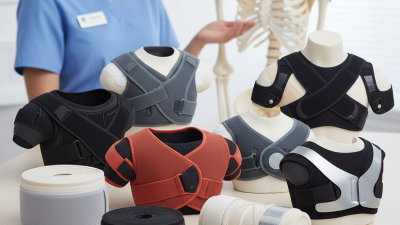
Orthopedic support devices are not limited to rigid braces. Different designs address different movement problems. An ankle-foot orthosis can reduce foot drop and improve toe clearance during walking. Knee braces may stabilize an injured joint, while wrist supports limit painful motion during recovery. Canes, crutches, and walkers widen the base of support. They can also redistribute weight from a painful leg. Compression supports may assist swelling management, although they require careful fitting.
The World Health Organization reports that musculoskeletal conditions affect about 1.71 billion people worldwide. This scale explains the demand for mobility support, but it does not make every device suitable. CDC data indicates that more than 3 million older adults receive emergency treatment for fall injuries annually in the United States. A correctly adjusted walker or cane may improve confidence, yet poor height settings can increase shoulder strain or alter gait. Clinical assessment remains essential. Fit is often underestimated.
Tips: Match the device to the movement problem, not personal preference. Measure handle height while standing naturally. Check skin color, pressure marks, and numbness after use. Walk on a safe, level surface first. If balance worsens, stop and request professional adjustment. There is no shame in changing devices. A support that feels helpful today may need reassessment after swelling, surgery, or strength changes.
Choosing an orthopedic support device should begin with the person, not the product. A cane may help someone with mild balance concerns, while a walker can offer greater stability after surgery. Crutches may suit temporary injuries, but they require arm strength and careful coordination. A physiotherapist or occupational therapist can assess walking patterns, joint pain, muscle control, and daily routines.
The setting matters too. A device used on smooth floors may perform differently on wet paths, stairs, or crowded shops. Measure handle height carefully. Your elbow should remain slightly bent, and your shoulders should stay relaxed. Small details matter. A poor fit can increase wrist strain or encourage unsafe leaning. Try the device with normal shoes and the clothing you usually wear. That detail is easy to miss.
Comfort also affects regular use. Look for manageable weight, secure grips, and simple adjustments. People with limited hand strength may need different fasteners or wider supports. Those recovering from an injury might need a temporary option, not a permanent solution. Ask how to clean, inspect, and store the device. Check rubber tips and locking parts often. They wear quietly.
Professional advice improves reliability, but personal feedback remains essential. Walk several steps, turn, sit, and rise before deciding. A device can look suitable and still feel wrong. Even a careful choice may need revision as strength, pain, or confidence changes.
Choosing the right orthopedic support device can improve stability, confidence, and independence. The device should match the user’s balance, strength, walking environment, and level of mobility limitation.
Global demand for assistive products is increasing. The World Health Organization estimates that approximately 2.5 billion people currently need at least one assistive product, potentially rising to more than 3.5 billion by 2050. Professional assessment is recommended when selecting a cane, crutch, walker, brace, or other orthopedic support device.
Source: World Health Organization, Global Report on Assistive Technology, 2022.
Orthopedic supports can improve mobility when they are fitted, used, and monitored correctly. The World Health Organization reports that musculoskeletal conditions affect about 1.71 billion people worldwide. A brace may reduce unwanted movement, guide alignment, or share pressure during walking. It cannot repair every injury.
Safe use begins with professional assessment. A clinician should check pain, swelling, circulation, skin condition, and joint stability before recommending a support. The device should feel firm, not painfully tight. Check your toes or fingers after several minutes. They should remain warm, normally colored, and free from numbness. Remove the support if swelling increases, skin becomes damaged, or pain changes sharply. Small details matter.
The American Academy of Orthopaedic Surgeons advises combining supports with appropriate rehabilitation, rather than treating them as a complete solution. Gentle strengthening and correct movement patterns often matter more over time. Wear the support during the activity it was designed for, then follow the prescribed schedule. Do not sleep in it unless instructed. I have seen people tighten straps repeatedly, believing more pressure means more protection. That assumption can restrict circulation and weaken confidence in natural movement. Evidence is useful, but individual response still needs review. WHO data describes a global burden, not your exact diagnosis. Regular follow-up keeps convenience from becoming a hidden risk.
Nexia Medical
2255 Glades Rd
Boca Raton, FL 33431
Copyright 2017 Nexia Medical | All Right Reserved.