What is Orthopedic Support Devices and How Do They Benefit You?
Orthopedic support devices play a crucial role in modern healthcare. They are designed to assist individuals with various musculoskeletal conditions. From braces to splints, these devices provide stability, support, and pain relief.
Many people may underestimate their benefits. Yet, these devices can significantly improve daily life for those with injuries or chronic conditions. They help restore mobility and promote healing, allowing people to regain their independence. However, it is essential to choose the right device based on individual needs and conditions.
Not everyone understands the importance of proper fitting and usage. An ill-fitted device can lead to more issues and discomfort. Consulting with a healthcare professional is vital to ensure effective use. Identifying the right type of orthopedic support devices can be a game-changer for recovery and quality of life.
What Are Orthopedic Support Devices? An Overview of Types and Uses
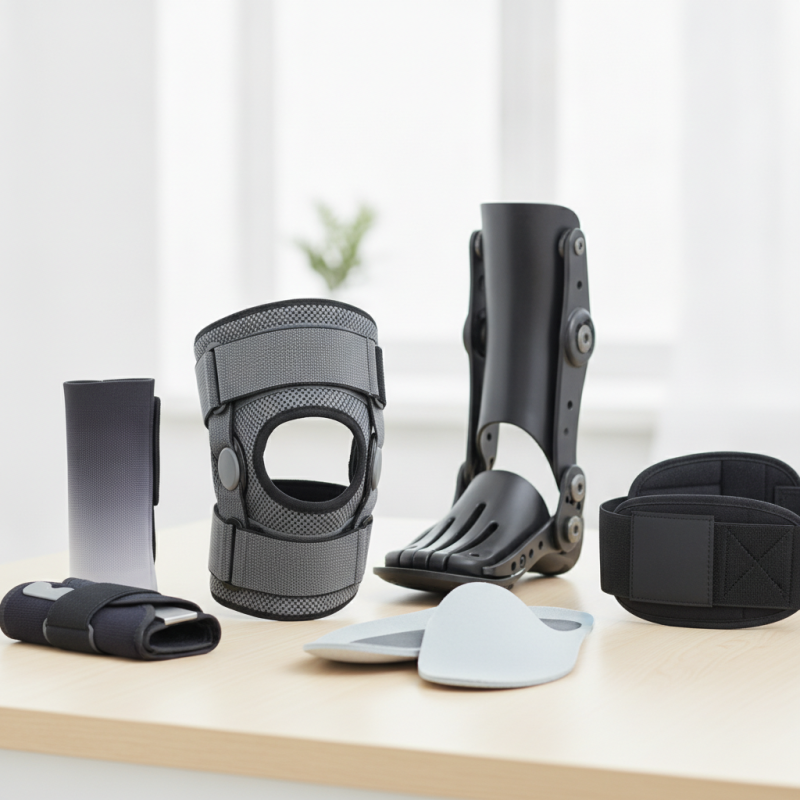
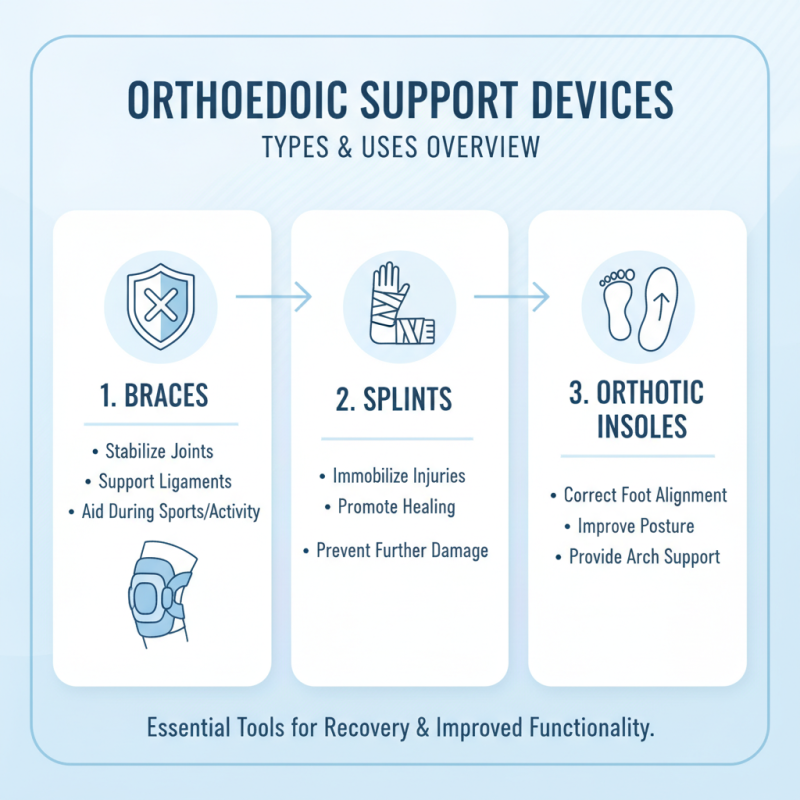
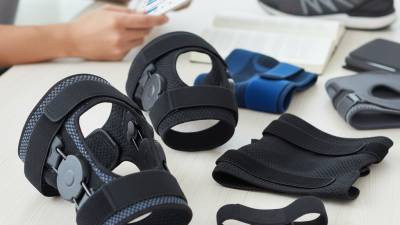
Orthopedic support devices are essential tools designed to aid in recovery and improve functionality. They come in various forms, including braces, splints, and orthotic insoles. Each type serves a unique purpose. Braces stabilize ligaments during sports. Splints immobilize injuries for proper healing. Orthotics correct foot alignment, promoting better posture.
These devices provide tangible benefits. They help alleviate pain and reduce the risk of further injury. For instance, a knee brace may support joint stability. This support can enhance mobility for daily activities. Using the right device can accelerate recovery times, allowing individuals to return to their routines. However, the effectiveness of these devices often depends on proper use and fit.
Not all individuals experience the same level of improvement. Some might find their discomfort persists even while using these devices. It's essential to seek professional advice to ensure the correct choice. Regular evaluation is needed to adapt to changes in the body or condition. By acknowledging these nuances, users can better understand their orthopedic journey.
Key Statistics on Orthopedic Device Utilization in Healthcare Settings
Orthopedic support devices play a vital role in enhancing patient recovery and quality of life.
According to recent studies, approximately 50% of patients recovering from musculoskeletal injuries benefit from these devices.
They assist with mobility, pain management, and overall rehabilitation.
The utilization of orthopedic devices has increased by 30% in clinical settings over the past decade, indicating their growing importance in modern healthcare.
Tips for effective use of orthopedic devices:
- Monitor your comfort levels regularly.
Ill-fitting devices can lead to further complications.
- Engage with healthcare professionals for fitting adjustments and personalized advice.
- Keep track of your usage patterns.
Documenting your progress can help identify what works best for you.
Despite their advantages, not all devices suit every individual.
It’s essential to consult with professionals who understand your unique condition.
The right device should not only support the injured area but also align with your lifestyle.
Sometimes, the device may feel cumbersome or uncomfortable.
If this occurs, discuss alternative options with your provider.
Mechanisms of Action: How Orthopedic Devices Alleviate Pain and Promote Healing
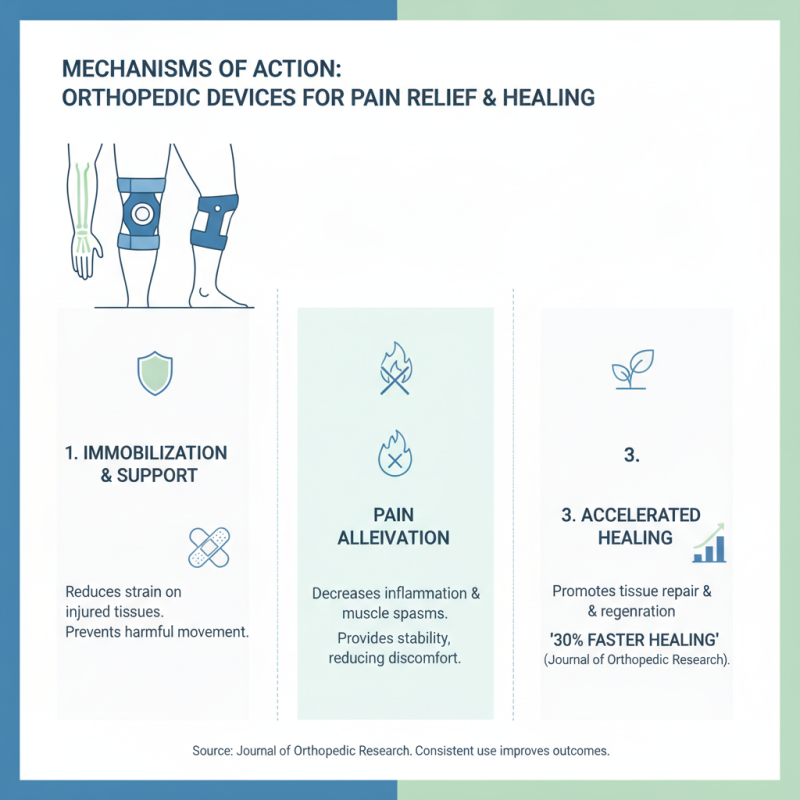
Orthopedic support devices play a crucial role in alleviating pain and promoting healing. These devices, such as braces and splints, function by immobilizing or supporting affected areas. This immobilization reduces strain on injured tissues, allowing for recovery. Research indicates that consistent use of orthopedic devices can decrease recovery times. A study published in the Journal of Orthopedic Research found that patients using support devices experienced a 30% faster healing rate than those who did not.
These devices also provide compression and stability, which can significantly reduce swelling and pain. For instance, a knee brace can stabilize the joint, helping with tasks like walking or climbing stairs. According to the American Academy of Orthopedic Surgeons, nearly 40% of individuals with knee pain report significant relief when using proper support. This data reinforces the value of orthopedic devices in everyday life.
**Tips:** Always consult a healthcare professional before selecting an orthopedic device. They can recommend the best option for your specific condition. Regular use of these devices is key; they won't be effective if neglected. Remember, while these devices can aid in recovery, they are not a cure; ongoing evaluation of your condition is necessary.
Patient Benefits: Improved Mobility and Quality of Life with Orthopedic Devices
Orthopedic support devices play a crucial role in enhancing mobility. These devices, such as braces and splints, provide stabilization and support to injured or weakened areas. Patients often experience improved mobility, making everyday tasks feasible again. This can significantly enhance your quality of life, allowing you to engage in activities you enjoy.
Living with orthopedic devices requires adaptation. Be patient with yourself as you adjust to using these tools. It may take time to learn effective ways to move and operate them. Finding the right fit is essential for comfort. Ask your healthcare provider about personalized options to ensure the best experience.
Stay proactive about your recovery. Regularly engage in gentle exercises suggested by your doctor. This helps maintain strength around the affected area. Don't hesitate to reach out for help when needed. Sometimes, discussing challenges with peers can offer fresh perspectives. Remember, adapting your lifestyle may lead to greater independence over time.
Patient Benefits of Orthopedic Support Devices
Future Trends in Orthopedic Support Technologies and Their Impacts on Patient Care
Orthopedic support technologies are evolving rapidly, significantly impacting patient care. Emerging trends indicate a growing integration of smart devices in orthopedic support. According to a recent report by Grand View Research, the global orthopedic braces and support market is projected to reach $5.53 billion by 2025, driven largely by technological advancements. These innovative devices offer enhanced functionality, including real-time monitoring of patient movements and analytics to tailor recovery plans.
Moreover, wearable technology is becoming a cornerstone in treatment. Smart orthopedic devices can provide data on alignment and exertion levels. A study published in the Journal of Orthopedic Research highlighted that patients using these devices reported a 30% faster recovery rate. However, there are challenges. Not all patients adapt well to technology. Some may find wearable devices uncomfortable or distracting. It's crucial for healthcare providers to assess individual patient needs carefully.
Artificial intelligence is also making waves in orthopedic support. AI-driven systems can help predict recovery timelines based on data trends. Yet, there’s a pressing concern about data privacy that remains unaddressed. Ensuring patient confidentiality while utilizing these advancements is essential. Balancing innovation with ethical considerations will shape the future of orthopedic care.
What is Orthopedic Support Devices and How Do They Benefit You? - Future Trends in Orthopedic Support Technologies and Their Impacts on Patient Care
| Device Type |
Description |
Benefits |
Future Trends |
| Braces |
Supportive devices that stabilize joints and limbs. |
Pain relief, improved mobility, and injury prevention. |
Smart braces with sensors for real-time feedback. |
| Orthotic Footwear |
Shoes designed to support foot structure and function. |
Enhanced comfort, better alignment, and reduced fatigue. |
3D printing technology for customized fittings. |
| Compression Sleeves |
Elastic sleeves that provide pressure to enhance blood circulation. |
Reduction of swelling, improved recovery time. |
Integration of smart textiles for health monitoring. |
| Prosthetics |
Artificial devices that replace missing limbs. |
Restores function, enhances quality of life. |
AI and robotics for more natural movement. |
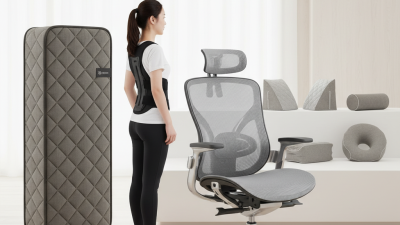
| Supportive Cushions |
Cushions designed to reduce pressure points and support posture. |
Increased comfort and reduced risk of pressure sores. |
Adaptive memory foam technologies for personalized comfort. |