How to Choose the Right Knee Support Braces for Your Needs?
Choosing the right knee support braces is crucial for anyone dealing with knee pain or injuries. According to the American Academy of Orthopaedic Surgeons, nearly 18 million people seek treatment for knee-related issues each year. This underscores the importance of understanding the right kind of support for your specific needs. Knee support braces come in various types, each designed to address varying levels of discomfort and types of injuries.
When selecting a brace, one must consider factors such as severity of injury, activity level, and personal comfort. For example, a study in the Journal of Athletic Training shows that proper knee support can reduce the risk of further injury by up to 50%. However, with so many options on the market, it can be overwhelming to find the ideal product. Not every brace is suitable for every condition, which can lead to ineffective treatment and prolonged pain. By reviewing credible resources and patient feedback, individuals can make more informed choices.
Understanding Different Types of Knee Support Braces Available
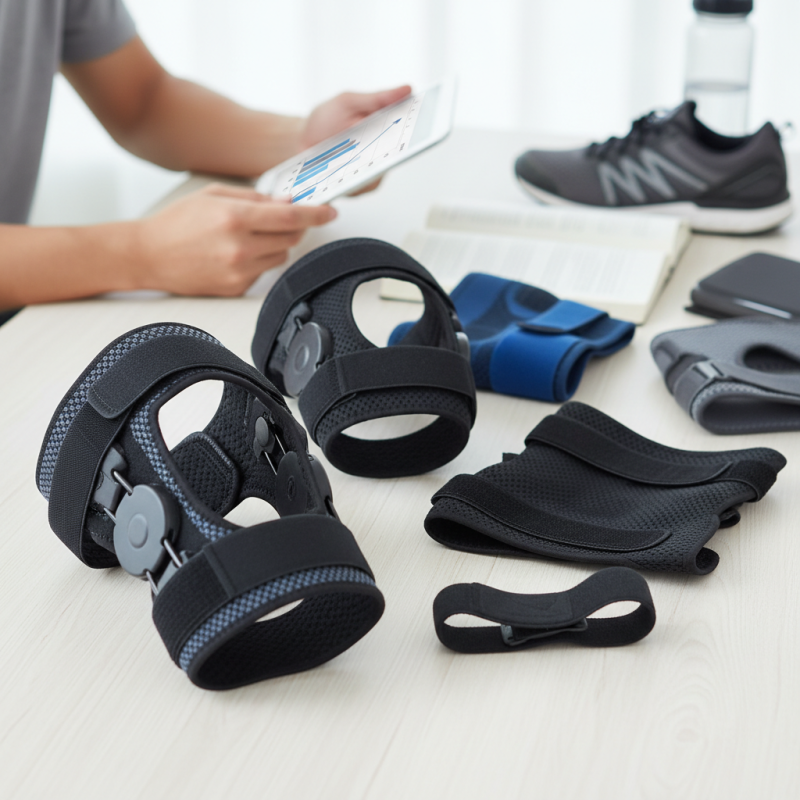
When selecting the right knee support braces, it’s crucial to understand the types available. There are various options tailored to specific needs. One popular type is the knee sleeve, providing compression and warmth. It is often recommended for mild injuries or for athletes looking to enhance blood flow. The design is simple yet effective.
For those with moderate to severe issues, hinged braces may be necessary. These offer added stability, protecting the knee during activity. They can limit movement, which is vital during rehabilitation. However, some users may find them cumbersome. Others might prefer a wraparound brace, which is adjustable and easy to put on. It allows for customizable support but may not provide enough rigidity for serious conditions.
Not all braces fit everyone perfectly. Trying different styles can help you find the best fit. Also, consider your activity level. A more active lifestyle may require a specialized brace that offers maximum support. Listen to your body. If discomfort arises, adjustments may be necessary. Emphasizing comfort and security will lead to better outcomes. Remember, what works for one person may not work for another. It's about finding the right balance between support and mobility.
Assessing Your Specific Knee Injury or Condition
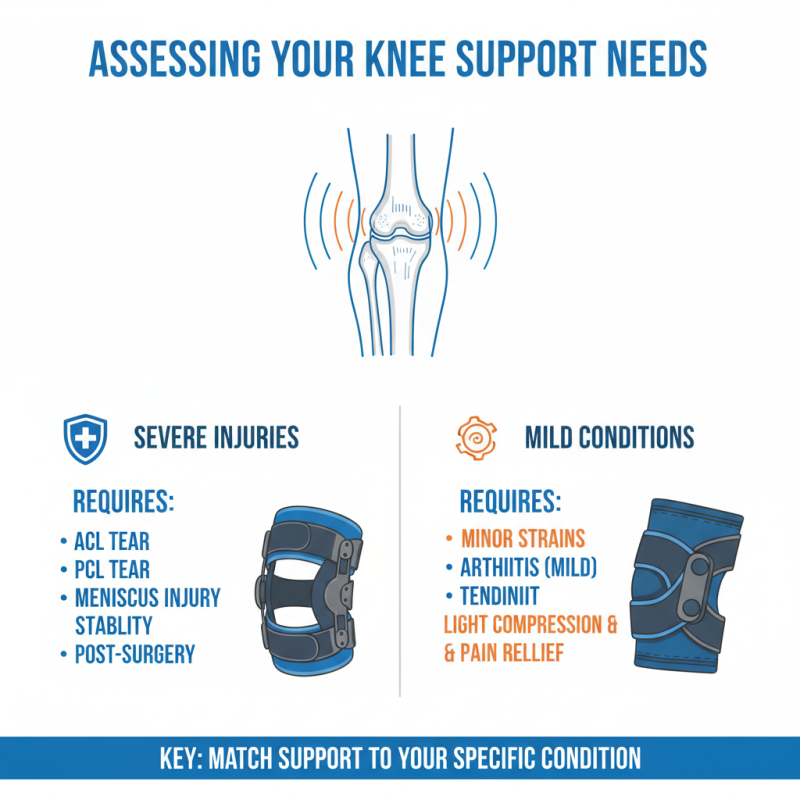
When selecting a knee support brace, it’s crucial to understand your specific injury or condition. Different injuries require different levels of support. ACL tears need braces that offer stability. On the other hand, minor strains may only need light compression. Knowing the severity of your condition helps narrow down the options.
Take time to assess your symptoms. Swelling, pain, and instability are indicators of what type of support you might need. For instance, a brace for patellar tendinitis will differ from one intended for arthritis. Talk to a healthcare professional if you are unsure. Their insights can guide you to the appropriate choice.
Not every brace is a perfect fit. Some users find that a brace designed for stability can feel bulky. Others may experience discomfort with straps that dig into the skin. Trying on different models can provide clarity. Pay attention to what feels best during movement. Adjusting your choice based on comfort and usability is vital for recovery.
Factors to Consider When Selecting a Knee Brace
Choosing the right knee support brace can be overwhelming. Understanding key factors helps simplify this process. The first consideration is the level of support required. A 2016 study in the American Journal of Sports Medicine found that proper support can significantly reduce knee injuries in athletes. This means a brace should offer appropriate stability, especially for active individuals.
Another important factor is the material of the brace. Soft materials provide comfort but might not deliver the necessary support. In contrast, rigid braces offer stability, yet they can feel restrictive. A report by the Journal of Orthopedic Research indicates that comfort and support balance is essential for effective recovery. Many users struggle to find that perfect fit, leading to frustration.
Fit and size also significantly impact effectiveness. A poorly fitted brace can cause additional problems. Clinical trials show that a brace that is too tight may restrict blood flow, while one that is too loose might not provide sufficient support. Checking sizing guides and considering adjustable features can enhance the brace's performance. Ultimately, understanding personal needs and seeking advice from healthcare providers is crucial.
How to Ensure Proper Fit and Comfort of Knee Support
Finding the right knee support is not just about choosing a style. Proper fit and comfort are vital in optimizing support while preventing further injury. A well-fitting brace should feel snug but not restrictive. Measure your knee's circumference and refer to sizing charts provided by manufacturers. This step can prevent the frustration of ordering the wrong size.
Consider the material of the brace. Breathable, lightweight fabrics enhance comfort during use. You might prefer a soft inner lining to minimize irritation on the skin. However, a brace that’s too soft may lack essential support. Balance is key. Adjustability features, like straps, can help tailor the fit. If you feel pain or discomfort while wearing the brace, it’s a sign that adjustments are needed.
Pay attention to how the brace feels during different activities. Some knees may require additional cushioning while walking, while others need stability for sports. Observe how your knee responds over time. It’s normal to have initial discomfort as your body adjusts. Regularly assess if the brace still meets your needs. If difficulties persist, consider consulting a healthcare professional.
How to Choose the Right Knee Support Braces for Your Needs? - How to Ensure Proper Fit and Comfort of Knee Support
| Support Type |
Material |
Size Range |
Level of Support |
Ideal Use |
| Compression Sleeve |
Neoprene |
S - XL |
Mild |
Post-Workout Recovery |
| Hinged Brace |
Polyester |
M - XXL |
Moderate |
Ligament Injuries |
| Wraparound Brace |
Cotton/Spandex |
S - L |
Adjustable |
General Support |
| Offloader Brace |
Aluminum/Plastic |
M - XL |
Maximum |
Arthritis Care |
Consulting Healthcare Professionals for Recommendations
When considering knee support braces, consulting healthcare professionals is essential. These experts have the training to assess your specific needs. They can identify injuries or conditions that may require extra support. A doctor or physiotherapist can offer tailored recommendations based on their expertise.
Healthcare professionals may conduct a physical examination to understand the nature of your knee issues. Their insights help narrow down choices, guiding you towards suitable options. They can explain the benefits of different brace types, considering factors like your activity level and mobility. Don't hesitate to discuss your concerns or lifestyle with them.
Choosing a knee brace on your own can be overwhelming. Many options claim to offer superior support, but without expert advice, you may choose the wrong one. This could lead to discomfort or exacerbate your condition. Trusting a healthcare professional adds reliability to your decision-making process. This collaboration can ensure that you find a brace that truly meets your needs, reducing the likelihood of future injuries.
Bar Chart: Types of Knee Support Braces