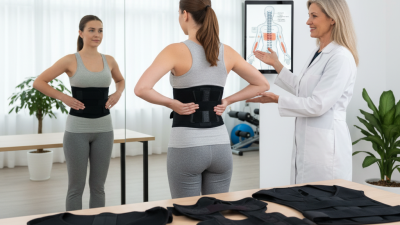
Patients: Please fill out the Form and Nexia will inform you whether your insurance will cover all or part of your brace.
Physician's Offices: Please call 888.670.3380 for special Wholesale Pricing for all braces.

How to Find Effective Pain Management Techniques

Pain can change how a person sleeps, moves, works, and gets through an ordinary afternoon. It is also common: the CDC estimated that 24.3% of U.S. adults experienced chronic pain in 2023, while 8.5% experienced high-impact chronic pain (CDC, 2024). These figures describe a public-health challenge, not a single treatment path. Pain has different causes, and the same approach may help one person but not another.

Pain management techniques can include guided physical activity, psychological support, self-management education, and medication when clinically appropriate. The World Health Organization’s 2023 guideline for chronic primary low back pain recommends person-centred care and considers options such as structured exercise and psychological interventions. The scale is substantial: WHO estimated that 619 million people lived with low back pain in 2020, with cases projected to reach 843 million by 2050. Numbers help show why thoughtful care matters. They do not predict an individual’s outcome.

Finding effective care usually means discussing symptoms, daily goals, medical history, and possible risks with a qualified health professional. Keep a simple record: when pain appears, what movement affects it, and whether sleep changes. Small details matter. Evidence can guide choices, but progress may be uneven, and some treatments may not help. That is frustrating, and worth acknowledging. This guide explores practical ways to assess options, ask informed questions, and build a plan that can be reviewed as needs change.
How to Find Effective Pain Management Techniques

Understand the Type, Cause, and Impact of Your Pain

Pain is not one thing. A sharp ankle pain after a twist differs from burning feet or a steady, widespread ache. Clinicians may describe pain as nociceptive, neuropathic, or nociplastic, but symptoms can overlap. The label is useful, not perfect. Note when pain began, where it travels, and what changes it. A short diary can capture details a rushed appointment may miss: stairs, sleep, sitting, or a hot shower.

Cause matters, too. A new injury, arthritis, nerve irritation, and changes in pain processing may need different assessments. Pain lasting longer than three months is generally considered chronic, but duration alone does not reveal its cause. CDC’s NCHS Data Brief No. 518, based on 2023 survey data, found that 24.3% of U.S. adults had chronic pain. Another 8.5% had high-impact chronic pain that limited life or work activities.

Describe what pain prevents. Can you carry groceries, concentrate, or sleep through the night? Record intensity, but also missed work, mood changes, and tasks you now avoid. Be specific. “My back hurts” may hide a pattern, such as pain after ten minutes of standing that eases when seated. Share these details and your medical history with a qualified clinician. Pain often refuses to fit neat categories, but clear notes can make care discussions more useful.


Set Practical Goals and Track Pain Patterns

Pain management goals work best when they are specific, modest, and connected to daily life. Instead of aiming to “feel normal,” choose an action you want to make easier, such as walking to the mailbox or preparing breakfast. Set a manageable target, like walking for five minutes on three days this week. Small steps count. If a goal repeatedly feels out of reach, adjust it rather than treating that as failure.

A simple pain diary can reveal patterns that memory may miss. Once or twice a day, note pain intensity from zero to ten, where it occurs, what you were doing, sleep quality, and any helpful relief. Add concrete details: “aching knee after 20 minutes standing” is more useful than “bad afternoon.” Keep notes brief. Tedious, sometimes. You do not need to record every sensation, and constant checking can make pain feel more central.

Review the entries weekly and look for possible links, not proof. Perhaps pain tends to rise after poor sleep or a long period at a desk. Other factors may be involved, and patterns can be messy. Share the notes with a qualified health professional, especially if pain changes suddenly or limits basic activities. Together, you can revise goals and discuss safe options; do not change prescribed treatment based only on a diary.

Review Evidence-Based Medical and Self-Care Options

Effective pain management starts with identifying what may be driving the pain. A clinician can assess symptoms, medical history, and daily activities before recommending treatment. For persistent pain, care may include physical therapy, appropriate medication, or psychological approaches such as cognitive behavioral therapy. These methods can help improve function, sleep, and coping; they do not guarantee pain will disappear. Ask about likely benefits, side effects, and how progress will be reviewed. Medication choices depend on the person and the cause of pain, so avoid changing prescribed doses without medical advice. Seek urgent care for sudden severe pain or pain with concerning symptoms such as weakness or trouble breathing.

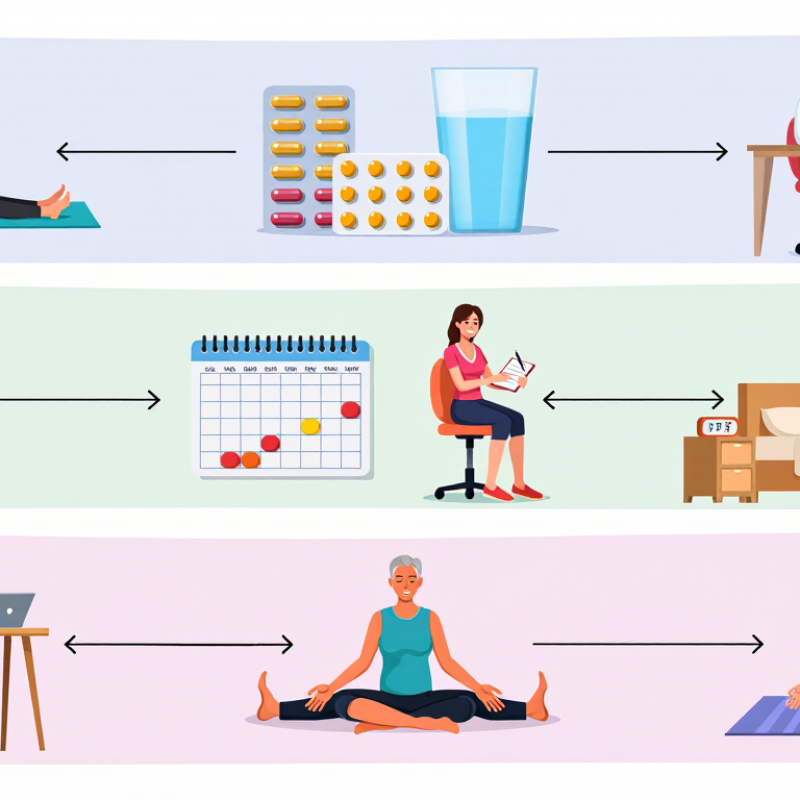
Self-care can support clinical treatment. Gentle movement, when safe, may reduce stiffness; a physical therapist can suggest suitable exercises. A simple pain diary can note intensity, sleep, activity, and possible triggers. Bring it to appointments. Small steps matter. Heat or cold may help some people, but protect skin and stop if irritation occurs. Relaxation exercises and steady sleep routines can also be useful, though results vary. Not every approach works. I would be cautious about treating one good or bad day as proof that a method has succeeded or failed. Review changes with a healthcare professional, especially if pain worsens or limits everyday tasks.

Regular movement can support function and well-being for many people with persistent pain. General adult activity guidelines recommend at least 150 minutes of moderate-intensity aerobic activity or 75 minutes of vigorous-intensity activity per week. These are activity targets, not estimates of pain reduction; choose an appropriate level with a healthcare professional.

Choose a Personalized Plan With a Health Professional

How to Find Effective Pain Management Techniques
Choose a Personalized Plan With a Health Professional

Pain affects people differently, so an effective plan should start with your health history, daily routines, and goals. In a quiet appointment, describe what hurts, when it flares, and what you can no longer do comfortably. The details matter. A 2023 CDC report found that 20.9% of U.S. adults experienced chronic pain in 2021; 6.9% had pain that frequently limited life or work. These figures show why broad advice may not fit one person’s needs.

Ask a clinician to review possible causes, current treatments, sleep, mood, and other health conditions. Together, you can discuss options such as movement-based therapy, physical therapy, psychological support, or medication, depending on your circumstances. The CDC’s 2022 clinical practice guideline advises individualized care and recommends nonopioid therapies for many kinds of subacute and chronic pain. Set practical goals, such as walking to the mailbox or sleeping through the night, then review progress and side effects at follow-up visits.

A simple symptom diary may reveal patterns, but it can also become another chore. Keep only details you and your clinician will use: pain level, activity, sleep, and treatment response. Be candid if a plan feels ineffective or difficult to follow. Adjustments are normal; improvement may be gradual, and no single technique works for everyone.

How to Find Effective Pain Management Techniques - Choose a Personalized Plan With a Health Professional

Approach What It May Involve When It May Be Considered Points to Discuss With a Health Professional
Movement and physical therapy Individualized exercises, mobility work, strength training, and guidance on pacing daily activities. Often considered for musculoskeletal pain and to support mobility and function. Ask which activities are appropriate, how to progress safely, and what symptoms should prompt a change in the plan.
Psychological pain therapies Approaches such as cognitive behavioral therapy that build coping skills and address the effects of pain on mood, sleep, and daily life. May help people living with persistent pain, including when stress or low mood makes pain harder to manage. These approaches do not imply that pain is imaginary. Ask about available trained providers and how therapy can complement other care.
Mindfulness and relaxation Practices such as mindful breathing, relaxation exercises, or meditation. May be used as part of a broader plan to manage stress and improve coping with ongoing pain. Choose a method that feels comfortable and sustainable. It may support care but should not replace assessment of a new or worsening problem.
Heat or cold Applying a wrapped warm or cool pack for a limited period, depending on the type of pain and personal response. May provide short-term relief for some muscle or joint discomfort. Protect the skin and avoid extreme temperatures. Ask a clinician first if sensation or circulation is reduced, or if the cause of pain is unclear.
Nonprescription or prescription medicines A health professional may consider options such as anti-inflammatory medicines, acetaminophen, or other medicines based on the cause of pain. Suitability depends on the pain condition, medical history, other medicines, and individual risks. Review benefits, possible side effects, interactions, and safe use. Anti-inflammatory medicines may not be suitable for everyone, including some people with kidney, stomach, heart, or bleeding concerns.
Topical treatments Products applied to the skin, such as certain anti-inflammatory or numbing medicines, when appropriate. May be considered for some localized pain, depending on the product and diagnosis. Check the active ingredient, application instructions, skin precautions, and whether it is safe alongside other medicines.
Specialist procedures Selected procedures, such as injections or other interventions, after assessment by an appropriate clinician. May be considered for specific conditions when potential benefits and alternatives have been reviewed. Discuss expected duration of benefit, risks, alternatives, and how the procedure fits into a wider treatment plan.
Coordinated care plan A combination of approaches, with progress reviewed and the plan adjusted over time. Often useful when pain affects several areas of life or does not improve with one approach alone. Set functional goals with your care team, such as improving sleep or daily activities, and agree on when to follow up.

Important: The most appropriate approach depends on the cause of pain, health history, preferences, and treatment goals. Seek professional assessment for new, severe, or worsening pain.

Monitor Results and Adjust the Plan Safely

Pain treatment should be monitored like a changing plan, not judged by one unusually good or bad day. In a 2023 CDC report using 2021 U.S. survey data, 20.9% of adults reported chronic pain, and 6.9% reported high-impact chronic pain. These figures show why progress can mean more than a lower pain score. Note whether you can sleep longer, walk to the mailbox, or finish a workday with less difficulty.

For two weeks, record pain intensity, activity, sleep, and any side effects at roughly the same time each day. Keep entries brief; a simple notebook is enough. The record will not be perfect. Stress, illness, and missed entries can blur the pattern, so avoid changing treatment based on one difficult afternoon. Review the notes with a healthcare professional and agree on one adjustment at a time. Ask when to reassess and which warning signs need prompt care. Do not stop or change prescribed medicine without professional guidance.

Tips: Keep it simple. Use a 0–10 pain scale and one practical goal, such as standing long enough to prepare breakfast. Bring your notes to appointments, including side effects and doses taken. If the plan is not helping, say so plainly; treatment may need careful revision.