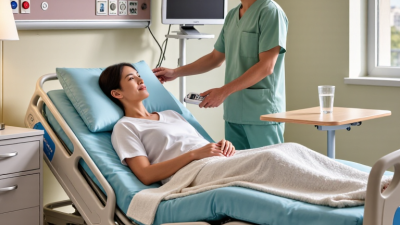
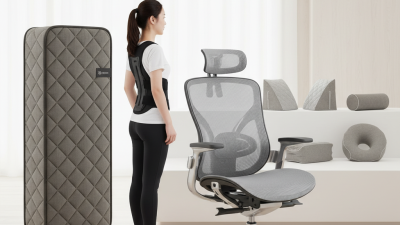
Why Choose Patient Comfort Solutions for Global Buyers?
Choosing the right Patient comfort solutions partner can influence safety, satisfaction, and daily clinical efficiency. For global buyers, comfort is not a luxury. It supports calmer procedures, improved cooperation, and more dignified patient experiences.
Experienced suppliers understand that hospitals face different climates, workflows, budgets, and care standards. A positioning cushion used in a busy operating room must feel stable, cleanable, and easy to place. A wheelchair support may need soft edges, breathable covers, and reliable fastening. Small details matter.
Material selection should follow practical evidence, not attractive claims. Buyers should examine product specifications, testing records, quality controls, and cleaning guidance. They should also ask how designs are evaluated by nurses, therapists, and patients. Trusted manufacturers communicate clearly about limitations, lead times, customization, and after-sales support.
Global purchasing is rarely simple. Packaging, language, import procedures, and local expectations can affect the final result. A supplier with documented processes can reduce avoidable uncertainty. Still, no solution fits every facility perfectly. That point is easy to overlook.
Thoughtful consultation remains essential. Buyers may need samples before approving larger orders. Feedback from a hospital ward can reveal pressure points, awkward straps, or covers that dry too slowly. These observations are not failures. They are useful evidence for better decisions.
Patient comfort solutions should combine clinical practicality, responsible manufacturing, and consistent quality. When suppliers listen carefully and improve transparently, global buyers gain more than products. They gain a dependable foundation for safer, more respectful care.
What Are Patient Comfort Solutions?
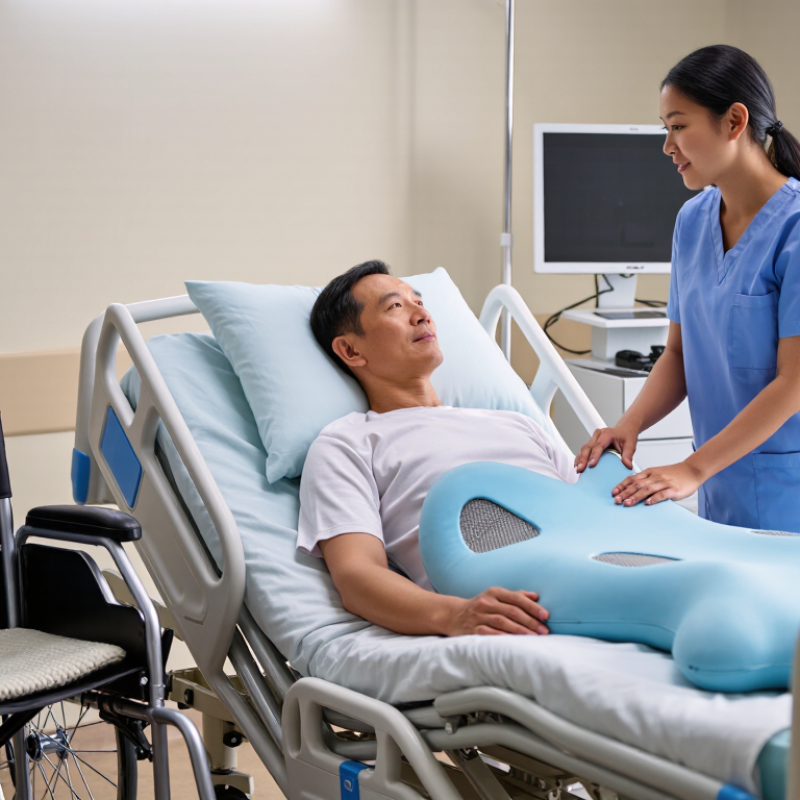
Patient comfort solutions are products, services, and practical procedures that make healthcare safer and less stressful. They support comfort during examinations, treatment, recovery, and transport. Examples include pressure-relief cushions, positioning supports, warming blankets, adjustable bedside furniture, and privacy equipment.
For global buyers, comfort solutions should fit real clinical routines. A positioning cushion must stay stable when nurses reposition a patient. A transport mattress should remain supportive through corridors, elevators, and loading areas. Materials should be easy to clean, durable, and suitable for repeated use. Clear instructions also matter, especially when staff speak different languages. These details often influence patient trust more than polished packaging.
Comfort is not identical for every patient. An older adult may need softer support, while a recovering patient may need firmer positioning. Procurement teams should review weight limits, cleaning methods, replacement parts, and local safety requirements. Direct feedback from nurses and patients can reveal problems that product sheets miss. A solution may look excellent on paper but feel awkward beside a crowded bed. That possibility deserves honest testing. Even a small improvement, such as reducing cold contact during transfer, can make a difficult moment feel more controlled.
Which Comfort Needs Do They Address?
Patient comfort solutions address more than softness. They support safer positioning, easier movement, and a calmer care experience. Patients may need pressure relief during long periods in bed or a wheelchair. Others need stable cushions, adjustable supports, or gentle transfer equipment. Small details matter, such as breathable covers, rounded edges, and surfaces that do not trap heat.
Comfort also includes dignity and personal control. Adjustable backrests can help patients eat, read, or speak with visitors. Side supports may reduce fear during repositioning. Quiet wheels and smooth height controls can make nighttime care less disruptive. For people with sensitive skin, washable and moisture-resistant materials can simplify daily routines. Care teams should also consider different body sizes, mobility levels, and cultural expectations.
Global buyers need evidence, not attractive descriptions. Reliable suppliers should provide material information, cleaning instructions, sizing guidance, and practical safety documentation. Input from nurses, therapists, caregivers, and patients can reveal problems that product testing misses. A cushion may feel comfortable at first but lose support after repeated use. That assumption can fail. Trial periods and feedback records help procurement teams make more responsible choices. Accessibility, replacement parts, and local service should also be reviewed before purchase. Comfort is personal. It cannot be measured by one feature alone.
How Do They Improve the Patient Experience?
For global buyers, patient comfort solutions can change how care feels from the first minute. A softer support surface may reduce pressure during a long examination. Clear positioning aids can help patients feel less exposed and uncertain. Small details matter: rounded edges, breathable fabrics, quiet adjustments, and stable handles can reduce unnecessary stress.
Healthcare teams usually assess comfort through patient feedback, staff observations, and practical testing. They may compare repositioning time, cleaning routines, skin irritation reports, and patient cooperation. Materials should be durable, easy to disinfect, and suitable for local clinical conditions. Instructions also need clear language, especially when products cross borders. Good support can help a nurse work more confidently.
Comfort is not identical for every patient. Body shape, age, mobility, pain level, and cultural expectations all influence the experience. A solution that feels supportive to one person may feel restrictive to another. That limitation deserves attention. Buyers should request samples, involve frontline staff, and test products in real rooms before larger purchases. Patient comments can be brief but revealing: “The surface feels cold,” or “I cannot adjust this alone.” Those details often expose problems that specifications miss.
Why Do Global Buyers Choose These Solutions?
Global buyers choose patient comfort solutions that work across different care settings, budgets, and regulations. A quiet hospital room may need pressure-relieving cushions, adjustable supports, or soft positioning aids. A rural clinic may prioritize durability, easy cleaning, and simple instructions. Practical fit matters more than attractive promises.
Reliable suppliers provide clear material details, safety documentation, and consistent quality checks. Buyers also value products that tolerate repeated use, moisture, and routine disinfection. Independent testing can support purchasing decisions, especially when comfort affects rest, mobility, or recovery. Responsive communication matters too. Questions about dimensions, packaging, lead times, and replacement parts should receive precise answers.
No solution fits every ward. That assumption can fail. Patient height, body weight, skin sensitivity, and local care practices may change the result. Experienced buyers often request samples before larger orders. They test comfort during transfers, inspect seams after cleaning, and ask staff for honest feedback. Small issues appear there. A cushion may feel supportive but become warm after several hours. Instructions may be accurate but difficult to translate. Global buyers choose solutions when suppliers acknowledge these details, correct weaknesses, and maintain dependable service across borders.
Why Choose Patient Comfort Solutions for Global Buyers?
Growing global demand for disability support and assistive technology makes patient comfort, accessibility, and ease of use important purchasing priorities for healthcare providers worldwide.
The figures show the scale of global need and are not cumulative. The 2050 figure represents a projected minimum.
Source: World Health Organization, Assistive Technology Fact Sheet.
What Factors Should Buyers Evaluate Before Purchasing?
Why Choose Patient Comfort Solutions for Global Buyers?
Global buyers should evaluate patient comfort products through evidence, not attractive photographs. Start with pressure distribution, body support, adjustability, and ease of use. A product should feel stable when patients sit, rest, or change position. Small details matter.
Check the materials carefully. Smooth, breathable surfaces can reduce heat and moisture during extended use. Rounded edges may help prevent uncomfortable contact points. Ask for cleaning instructions, replacement-part availability, and tested load limits. Products used in clinics need clear maintenance procedures. They also need consistent quality between shipments.
Safety documentation deserves close attention. Review relevant test reports, material declarations, warranty terms, and user instructions. Confirm whether the product suits local healthcare requirements and electrical standards, when applicable. Packaging should protect adjustable parts from damage during long-distance transport. Communication matters too. Can technical questions receive precise answers? Are delivery timelines realistic?
A lower price may seem efficient, but poor durability can create hidden costs. We have seen comfort claims fail when products were tested only for short periods. That is a useful warning. Buyers should request samples, involve clinical staff, and observe real patient use. One overlooked issue can change the entire purchasing decision. Patient feedback may also challenge professional assumptions. It should be heard.