What Are Spinal Support Systems and How Do They Work?
Spinal support systems help stabilize the spine when movement, injury, weakness, or surgical recovery creates extra strain. They may include braces, orthoses, fixation devices, or carefully designed rehabilitation supports. Each system serves a different purpose. Some limit painful motion. Others maintain alignment while tissues heal. Internal devices can also support vertebrae after complex procedures.
Their function is not simply to make the back rigid. A well-chosen system should support necessary movement while reducing harmful stress. Dr. Frank Schwab, a leading spinal deformity specialist, has stated, “Alignment is a means to an end, not the end itself.” That principle matters. A straighter spine does not automatically mean better function, comfort, or quality of life.
Clinical decisions depend on diagnosis, bone strength, posture, symptoms, activity level, and healing progress. A specialist may examine walking patterns, muscle control, imaging results, and daily limitations before recommending support. Fit matters too. A brace that rubs the ribs or restricts breathing may reduce patient cooperation. Even advanced hardware cannot replace careful follow-up.
The evidence is useful, but not perfect. Research findings can differ between patients and conditions. Support systems may reduce symptoms, yet they can also encourage overreliance when used without rehabilitation. Patients should ask how long support is needed, what movements remain safe, and which warning signs require review. Understanding these details makes spinal care more practical, safer, and more personal.
Definition and Purpose of Spinal Support Systems
What Are Spinal Support Systems and How Do They Work?
Spinal support systems are devices designed to stabilize, unload, or guide the spine. They include lumbar braces, thoracic supports, cervical collars, and customized seating systems. Their purpose is practical: limit painful movement, improve posture, and protect healing tissues. Some supports distribute pressure across the abdomen and pelvis. Others reduce unwanted bending or rotation.
The need is considerable. The World Health Organization reported that low back pain affected 619 million people in 2020. It may reach 843 million cases by 2050. The Global Burden of Disease Study 2021 also identified low back pain as a major contributor to disability worldwide. These figures explain the growing clinical interest in spinal support. However, support is not a mechanical cure. Poor sizing can create pressure near the ribs, hips, or surgical area. Prolonged use may also reduce confidence in natural movement. Evidence and clinical experience must guide the choice.
Tips: Ask a qualified clinician to assess the injury, posture, and skin condition. Check that the support feels firm, not restrictive. Follow the prescribed wearing schedule. Remove it and seek advice if numbness, swelling, or unusual pain appears. A mirror can reveal uneven straps or unwanted tilting. Small fitting errors matter. Personal comfort matters too, although comfort alone does not prove effectiveness. WHO guidance published in 2023 also encourages active rehabilitation, rather than relying on passive support alone.
What Are Spinal Support Systems and How Do They Work?
Spinal support systems include the vertebral column, intervertebral discs, ligaments, and surrounding muscles. Together, they stabilize the body, protect the spinal cord, support posture, and allow controlled movement. The chart shows the number of vertebrae in each major spinal region.
The human spine typically contains 33 vertebrae: 24 movable vertebrae, five fused sacral vertebrae, and usually four fused coccygeal vertebrae. Cervical vertebrae support the head, thoracic vertebrae connect with the ribs, lumbar vertebrae bear substantial body weight, and the sacrum and coccyx help transfer loads to the pelvis.
Main Types of Spinal Support Systems
Spinal support systems help limit unwanted movement, guide posture, or reduce pressure around vulnerable structures. Their design depends on the spinal region and the patient’s condition. The World Health Organization reported that 619 million people experienced low back pain in 2020. It projects the number could reach 843 million by 2050. That scale explains the growing interest in practical support devices, but support is not a universal cure.
Lumbar support belts are common for lower-back strain. They wrap around the waist and may provide compression, warmth, and movement awareness. Cervical collars support the neck after injury or surgery. Rigid collars restrict rotation more strongly than soft collars. Thoracolumbosacral orthoses, often called TLSO braces, cover the chest, lower back, and pelvis. Clinicians may prescribe them after fractures or spinal procedures. Scoliosis braces apply targeted pressure to influence spinal alignment during growth. Postoperative systems can also combine adjustable panels with controlled immobilization.
Fit matters greatly.
Too loose, and the brace may shift during walking. Too tight, and breathing, skin comfort, or circulation may suffer. The FDA notes that medical devices require appropriate use and professional oversight, not casual self-prescription. A 2023 WHO guideline also emphasizes exercise, education, and individualized care for chronic low back pain. Braces may support these measures, but evidence varies by condition. That uncertainty deserves honesty. A support system can stabilize the body, yet it cannot replace diagnosis, rehabilitation, or regular clinical review.
Key Components and How They Function
What Are Spinal Support Systems and How Do They Work?
Key Components and How They Function
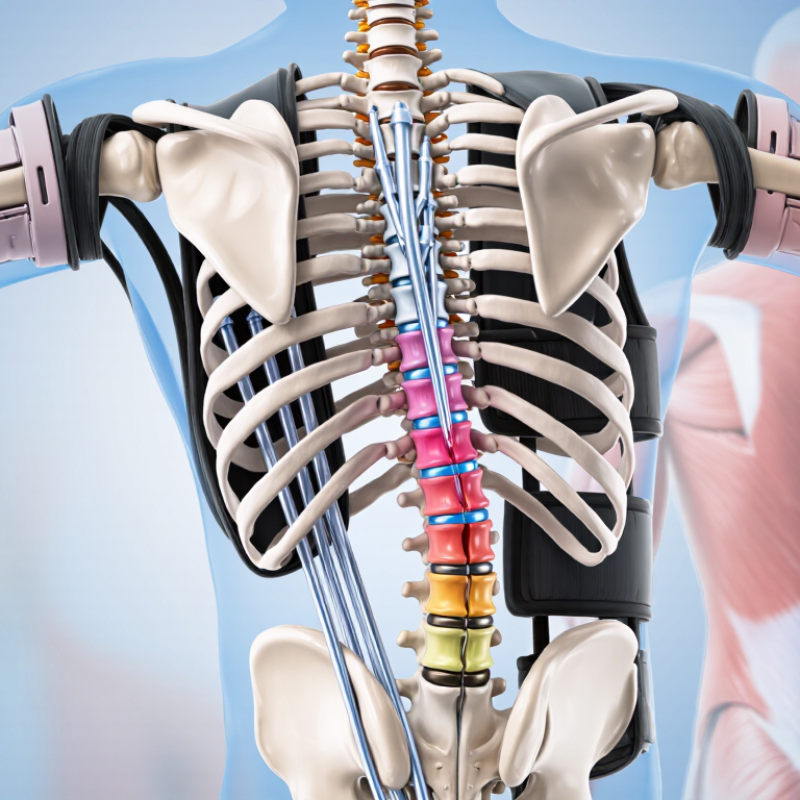
Spinal support systems help stabilize the back, limit painful movement, or protect healing tissues. They may include braces, molded panels, straps, hinges, padding, or surgically placed hardware. Each component has a specific role. Rigid panels restrict motion. Straps distribute pressure. Padding improves comfort and reduces skin friction. Hinges can allow controlled movement while preventing unsafe bending.
A support system does not simply “hold the spine straight.” It changes how forces travel through the trunk during standing, walking, or lifting. Proper alignment may reduce strain on muscles and injured structures. However, excessive restriction can weaken movement confidence and encourage stiffness. Clinical assessment matters because the correct design depends on the spinal region, injury, symptoms, body shape, and recovery stage. No device works perfectly for every person. Fit may also change as swelling decreases or strength returns.
Tips: Check the skin after wearing the system, especially near the ribs and hips. Follow the prescribed wearing schedule. Keep straps secure, but never painfully tight. Ask a qualified clinician if numbness, increasing pain, breathing difficulty, or persistent redness develops. Clean padding as directed, and inspect hinges or fasteners regularly. Small discomfort may signal a poor fit, not a problem to ignore.
How Spinal Support Systems Support the Spine
Spinal support systems help stabilize the spine during movement, recovery, or daily activity. They may include braces, posture supports, lumbar cushions, or specialized medical orthoses. Each design applies controlled pressure or guidance to selected areas. This can reduce unwanted motion and help distribute forces more evenly.
A well-fitted support may limit painful twisting while allowing safe movement. It can also improve body awareness. Gentle pressure reminds the wearer to adjust posture before slouching becomes severe. For example, a lumbar support may fill the gap between the lower back and a chair. This can reduce strain during long periods of sitting. The spine still needs active muscles. Support should not replace them.
Fit matters greatly. A device that feels firm may still be poorly positioned. Excessive pressure can cause skin irritation, numbness, or restricted breathing. It might also encourage dependence if worn longer than advised. That is easy to overlook. Healthcare professionals usually consider the person’s symptoms, spinal condition, activity level, and movement patterns before recommending a system. They may adjust the support as swelling, pain, or strength changes. Results also vary. Some people notice better comfort quickly, while others gain little benefit. Careful monitoring and honest feedback remain important.
Uses, Benefits, and Potential Limitations
Spinal support systems include braces, lumbar belts, cervical collars, and implanted stabilization devices. They help limit harmful movement, redistribute pressure, or maintain alignment during healing. Clinicians may recommend them after fractures, surgery, spinal instability, or selected deformities. A rigid brace can feel like a temporary frame around the torso. It may reduce painful twisting while tissues recover. The World Health Organization reported that low back pain affected 619 million people worldwide in 2020. That number could reach 843 million by 2050, according to its 2023 fact sheet.
Benefits depend on the diagnosis and the fitting process. A correctly fitted orthosis may improve mobility, confidence, and short-term pain control. It can also support safer rehabilitation when combined with exercise and clinical monitoring. However, support is not the same as repair. Evidence remains mixed for routine brace use in uncomplicated low back pain. A Cochrane review found limited and low-certainty evidence for preventing or treating back pain with lumbar supports. The picture is less tidy than product pages suggest.
Potential limitations include skin irritation, pressure marks, restricted breathing, and reduced comfort in hot conditions. Poor fitting can create new pain. Extended dependence may discourage active movement, although the evidence is not completely consistent. Implant-based systems also carry surgical risks, including infection, nerve injury, and revision procedures. I would not call every reported improvement clinically meaningful. A physical examination, imaging when appropriate, and a gradual strengthening plan usually matter more than support alone. WHO and professional spine guidelines emphasize individualized care rather than automatic device use.