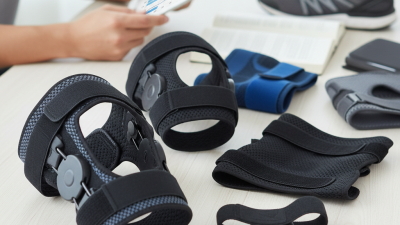
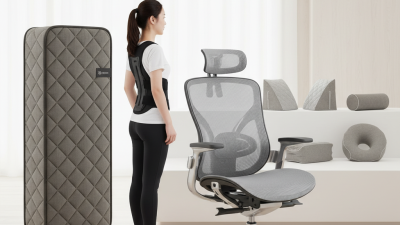
Medical support devices are becoming essential across hospitals, rehabilitation centers, home-care programs, and emergency services. Global buyers now evaluate more than price. They examine fit, clinical purpose, material safety, maintenance, training, and after-sales support. A knee brace may look simple, yet poor sizing can cause pressure points, skin damage, or reduced mobility. Fit matters.
The World Health Organization and UNICEF reported in Global Report on Assistive Technology (2022) that more than 2.5 billion people need at least one assistive product. This figure may exceed 3.5 billion by 2050. WHO also highlights uneven access, limited professional training, and weak repair services. These gaps influence every purchasing decision. Tedros Adhanom Ghebreyesus, Director-General of the WHO, stated, “Assistive technology is a key part of universal health coverage.” His statement supports a wider view of medical support devices, including mobility aids, orthoses, compression products, patient lifting equipment, and respiratory support systems.
Reliable buyers should compare ISO 13485 quality systems, relevant regulatory clearances, product testing, warranty terms, and replacement-part availability. The FDA’s device classification framework also reminds purchasers that intended use determines regulatory expectations. However, documents alone cannot prove practical value. Buyers should request samples, inspect stitching and fasteners, test cleaning procedures, and ask clinicians about daily usability. Small errors matter. This guide examines leading device categories through a global procurement lens, while acknowledging that local clinical needs, budgets, and regulatory pathways differ.
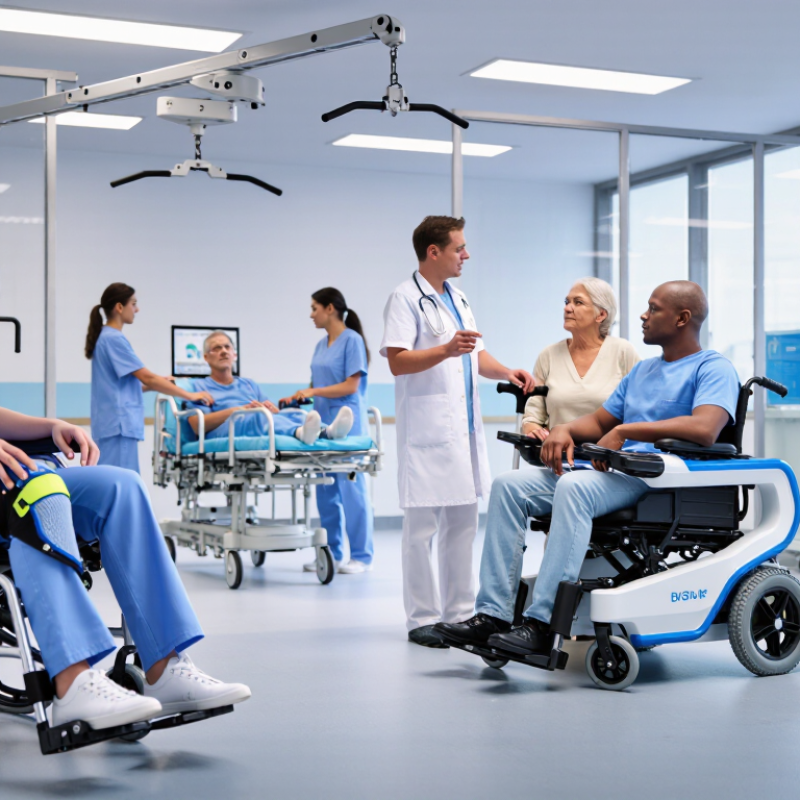
Medical support devices help people move, breathe, recover, monitor health, or complete daily tasks. Common examples include wheelchairs, walking aids, patient lifts, oxygen equipment, pressure-relief mattresses, and vital-sign monitors. They serve older adults, people with disabilities, hospital patients, rehabilitation users, and caregivers at home.
The WHO and UNICEF Global Report on Assistive Technology (2022) states that more than 2.5 billion people need at least one assistive product. This number may exceed 3.5 billion by 2050. The WHO also reports that about 1.3 billion people experience significant disability worldwide. These figures show why support devices must fit real users, not just clinical specifications. A wheelchair used on uneven roads needs different features from one used indoors. A home monitor also requires clear instructions and reliable maintenance.
Tips: Check user weight, posture, environment, power access, cleaning needs, and local servicing before purchase. Measure twice. Fit matters. Buyers should request evidence of safety testing and training materials. Yet product labels can be confusing, and availability differs widely between countries. That gap deserves more attention. A technically advanced device may still fail if replacement parts, trained support, or language-friendly guidance are missing.
(Sources: WHO and UNICEF, Global Report on Assistive Technology, 2022; WHO, Disability and Health, 2023.)
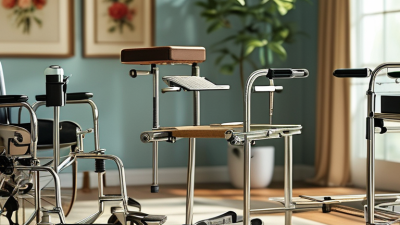
Medical support devices are usually classified by purpose, risk, and contact with the patient. Mobility aids include walkers, wheelchairs, transfer boards, and support rails. Positioning devices include cushions, braces, bed supports, and pressure-relief surfaces. Some products assist breathing, while others support rehabilitation after injury or surgery.
Risk classification often depends on intended use. A simple walking aid may present limited risk. An electrically powered lifting system requires stricter performance checks. Devices that enter the body, deliver energy, or support vital functions need deeper technical review. Regulators may also consider duration of use, sterilization, reusability, and software involvement. Classification rules differ between markets. A product name alone is not enough. The same device can receive different classifications in different regions.
Tips: Ask for the intended-use statement, test reports, material details, and cleaning instructions. Check whether the device is reusable or disposable. Confirm weight limits with real patient scenarios, not ideal conditions. Inspect hinges, straps, wheels, and alarm functions before purchase. Keep records of training and maintenance. Small details matter.
Classification can still be unclear. Products often fit more than one category. A transfer chair may also function as a bathing aid. Buyers should consult qualified regulatory specialists and clinicians before placing large orders. I have found that practical trials reveal weaknesses that brochures often miss. A device may look stable on a showroom floor, yet feel unsafe on a wet clinic surface.
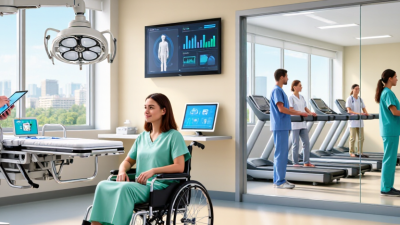
Medical support devices should match the patient, setting, and level of professional supervision. A mobility aid may help someone move safely at home, while a pressure-relief cushion can reduce discomfort during long sitting periods. Selection should consider body size, weight capacity, transfer ability, and the user’s daily environment. Small details matter.
Respiratory support devices require careful assessment. Buyers should check airflow settings, alarm functions, cleaning requirements, and battery performance. For older adults or patients with limited strength, simple controls can improve safe use. Staff training is essential, especially where technical support is limited. A complicated interface may create avoidable mistakes.
Monitoring devices serve different care needs. Blood pressure monitors, pulse oximeters, thermometers, and vital-sign systems support routine observation. They should offer clear readings, suitable cuffs or sensors, and documented calibration procedures.
Wound-care equipment may include examination lights, treatment surfaces, and protective supplies. These products need hygiene-focused materials and practical maintenance plans.
Home-care buyers often need adjustable beds, patient lifts, shower supports, and feeding assistance tools. Hospitals may prioritize durable equipment, storage efficiency, and rapid cleaning between users. A device can meet technical specifications yet perform poorly in a crowded room. That lesson is easy to overlook. Local regulations, electrical requirements, replacement parts, and user training should be reviewed before purchasing. Specifications alone are not enough.
Top Medical Support Devices for Global Buyers
Global buyers should compare medical support devices through safety, quality, and cost together. A low purchase price means little if the device fails during daily patient use. From procurement experience, I check intended users, load limits, adjustment points, and emergency release features before reviewing quotations. A stable frame, smooth locking mechanism, and clear instructions can prevent avoidable injuries. Small details matter.
Safety evidence should include material specifications, test reports, inspection records, and traceable production batches. Buyers should verify whether the supplier follows relevant medical-device regulations in the destination market. Independent testing can strengthen confidence, especially for devices supporting body weight or mobility. Supplier audits also reveal practical issues, such as poor packaging, inconsistent labeling, or weak staff training. Paperwork alone is not enough.
Quality comparisons should examine durability, cleaning resistance, spare-part access, and after-sales response times. Ask for samples and test them under realistic conditions, including repeated adjustments and uneven floors. Cost calculations should include shipping, installation, maintenance, replacement parts, and disposal requirements. The cheapest option may become expensive after several failures. However, the most expensive device is not automatically safer. Buyers sometimes overvalue appearance and undervalue repairability. That deserves reflection. A clear comparison table can expose these trade-offs before a purchase order is approved.
| Device Category | Primary Use | Key Safety Criteria | Quality and Compliance Indicators | Typical User Capacity | Typical Service Life | Indicative Global Price Range (USD) | Buyer Evaluation Priority |
|---|---|---|---|---|---|---|---|
| Walking Cane | Provides one-sided support for users with mild balance or mobility limitations. | Non-slip ferrule; secure height adjustment; positive locking mechanism; stable tip contact; comfortable grip. | Check conformity with applicable walking-stick requirements, including ISO 11334-1 where relevant; verify load testing, corrosion resistance, and tip durability. | Commonly rated around 100–120 kg, depending on construction and model. | Approximately 1–3 years under regular use; replace earlier if the tip, shaft, or locking button is damaged. | $10–$45 | Tip quality, lock reliability, shaft strength, adjustment range, and replacement-part availability. |
| Axillary or Forearm Crutches | Transfers weight away from one or both lower limbs during injury recovery or reduced mobility. | Correct fit; secure height adjustment; durable handgrips; non-slip tips; adequate clearance for axillary models; no sharp edges. | Review load testing, fatigue testing, material traceability, and applicable assistive-product requirements such as ISO 11334-1 for elbow crutches. | Often rated around 100–150 kg per pair, subject to the tested configuration. | Approximately 1–3 years; rubber tips and handgrips may require more frequent replacement. | $25–$100 per pair | Structural strength, adjustment security, grip comfort, tip replacement, and user-fitting instructions. |
| Standard Walking Frame | Offers high stability for users who need substantial support while walking. | Four stable contact points; anti-slip ferrules; rigid frame; secure folding or locking system; appropriate handle height. | Look for testing against ISO 11199-1 or equivalent national requirements; inspect welds, frame deformation, and static-load results. | Commonly rated around 100–150 kg. | Approximately 2–5 years in institutional or home use, depending on load and maintenance. | $30–$120 | Frame rigidity, floor-contact stability, corrosion resistance, fold-lock safety, and serviceability. |
| Rollator Walker | Supports walking while providing wheels, hand brakes, a seat, and sometimes a storage compartment. | Reliable parking brakes; controlled rolling resistance; stable seat; anti-tip geometry; secure height adjustment; visible user instructions. | Check compliance with ISO 11199-2 or equivalent; request brake-performance, stability, fatigue, and load-test reports. | Commonly rated around 100–150 kg; bariatric versions may be rated higher when specifically tested. | Approximately 2–5 years, depending on wheel, brake, and frame wear. | $70–$300 | Brake performance, stability on slopes, wheel durability, folding security, replacement parts, and warranty support. |
| Manual Wheelchair | Provides seated mobility for users who cannot walk safely or efficiently. | Reliable wheel locks; anti-tip devices where appropriate; secure footrests; safe seat-to-floor dimensions; pinch-point control; occupant restraint guidance when needed. | Review ISO 7176 test evidence, including static strength, fatigue, impact, braking, and stability; verify compatibility with local medical-device regulations. | Standard models commonly support 100–125 kg; heavy-duty models require separate tested ratings. | Approximately 3–7 years, depending on frame material, use intensity, and maintenance. | $150–$900 | Postural fit, brake reliability, frame fatigue resistance, transport dimensions, spare parts, and after-sales service. |
| Powered Wheelchair | Provides electrically powered mobility for users with limited upper-body strength or endurance. | Electromagnetic braking; battery protection; stable drive system; emergency stop or power-off controls; safe charging instructions; anti-tip design. | Review ISO 7176 electrical and performance testing, battery and charger documentation, EMC evidence, and applicable national electrical and medical-device requirements. | Commonly rated around 100–150 kg; capacity varies substantially by seating and chassis design. | Approximately 5–10 years; batteries commonly require replacement sooner, often within 1–3 years depending on use and care. | $1,000–$6,000 | Battery safety, controller reliability, service network, charging compatibility, software documentation, and total cost of ownership. |
| Patient Transfer Board | Assists lateral transfers between beds, wheelchairs, and other surfaces for users with partial weight-bearing ability. | Sufficient length and width; smooth but controlled sliding surface; rounded edges; high load rating; inspection for cracks and deformation. | Request static-load and flexural testing; verify material compatibility with cleaning agents and applicable assistive-product requirements. | Often rated around 120–150 kg, depending on length and material. | Approximately 3–8 years if regularly inspected and not exposed to excessive impact. | $50–$250 | Load safety margin, surface finish, cleanability, crack resistance, dimensions, and caregiver training materials. |
| Shower or Commode Chair | Provides seated support during bathing or toileting for users with reduced balance or strength. | Water-resistant construction; non-slip feet; stable base; secure armrests; corrosion resistance; hygiene-friendly surfaces; safe drainage. | Check static-load and stability testing, material compatibility with disinfectants, drainage design, and applicable local bathroom-safety requirements. | Commonly rated around 100–150 kg; bariatric versions may exceed this when tested. | Approximately 2–5 years, depending on moisture exposure, cleaning chemicals, and corrosion protection. | $80–$350 | Stability on wet floors, corrosion resistance, cleanability, adjustability, replacement feet, and user transfer safety. |
| Pressure-Redistribution Seat Cushion | Improves seated comfort and helps distribute pressure for wheelchair or chair users. | Correct size and positioning; stable attachment; appropriate immersion and support; breathable or washable cover; regular skin inspection remains essential. | Review pressure-mapping or performance data where available, cover flame-resistance requirements, material safety information, and cleaning instructions. | Commonly rated around 100–150 kg, with higher ratings for specialized cushions. | Approximately 1–3 years; foam, air cells, and covers may have different replacement intervals. | $40–$400 | Clinical suitability, pressure performance, moisture management, cover durability, repairability, and replacement cost. |
| Standing and Transfer Aid | Supports assisted sit-to-stand transfers for users with partial lower-limb strength. | Stable base; secure foot platform; padded knee support; emergency lowering or release where applicable; clear maximum-load marking; trained operation. | Request static, stability, fatigue, and mechanical-safety testing; verify conformity with applicable lifting-equipment and medical-device regulations. | Commonly rated around 120–180 kg, depending on the design and tested configuration. | Approximately 5–10 years with scheduled inspection and preventive maintenance. | $600–$3,000 | Transfer stability, actuator or mechanism reliability, emergency functions, caregiver training, inspection schedule, and service availability. |

Global buyers need more than a low unit price when selecting medical support devices. WHO and UNICEF’s 2022 Global Report on Assistive Technology estimates that 2.5 billion people need at least one assistive product. That number may reach 3.5 billion by 2050. Demand is broad, but procurement cannot be casual. Request technical files, risk classifications, test reports, labeling samples, and traceable lot records before negotiating volume. Ask who owns design changes. Small details matter.
Compliance should be verified market by market. ISO 13485 certification supports quality-system confidence, but it does not replace local registration or importer duties. The International Medical Device Regulators Forum promotes harmonized principles, yet national authorities still set practical requirements. Check electrical safety, biocompatibility, cybersecurity, language, and post-market reporting where relevant. A certificate alone is not enough. Buyers should audit manufacturing controls, complaint handling, and supplier-change procedures. Remote audits help, though they can miss floor-level habits.
After-sales support should be written into the purchase agreement, not promised in a call. Require spare-part lists, response times, repair instructions, training records, and a clear escalation path. Track warranty claims by lot and failure mode. This converts scattered complaints into usable evidence. WHO’s 2022 report also highlights unequal access, showing why affordability and service continuity matter alongside performance. I would still challenge every forecast. Reports describe populations, not actual hospital workflows. Pilot a small shipment, inspect packaging on arrival, and collect user feedback before scaling internationally.
Nexia Medical
2255 Glades Rd
Boca Raton, FL 33431
Copyright 2017 Nexia Medical | All Right Reserved.