What Are the Top Functional Restoration Methods in 2026?
Functional restoration methods combine graded activity, practical skills training, and coordinated care to rebuild everyday capacity. The aim is concrete: walking farther, carrying groceries, or returning to work with less disruption. The World Health Organization’s 2022 estimates put the global burden of musculoskeletal conditions at about 1.71 billion people. In a 2024 report based on 2023 U.S. survey data, the CDC found that 24.3% of adults had chronic pain, including 8.5% with high-impact chronic pain. These figures show why recovery plans often address function, not symptoms alone. The evidence is useful, but not tidy.
In practice, programs may combine individualized exercise, graded exposure to movement, education, and psychological strategies such as cognitive behavioral therapy. Some also include work-focused conditioning and regular progress checks. A 2015 systematic review in BMJ examined multidisciplinary rehabilitation for chronic low back pain and reported modest average benefits for pain and disability compared with usual care. Results vary, however, and one approach does not fit every person. Progress may be gradual.
This guide compares leading approaches for 2026, including multidisciplinary rehabilitation, graded activity, strength and mobility training, and work conditioning. It will consider what each method involves, who may benefit, and how progress is measured in daily tasks. It will also distinguish established evidence from promising practice. A treatment plan should reflect a person’s health, goals, and clinical assessment; it should not promise a quick fix. Small gains count. So do setbacks, and they deserve honest attention.
Defining Functional Restoration and Its Role in 2026
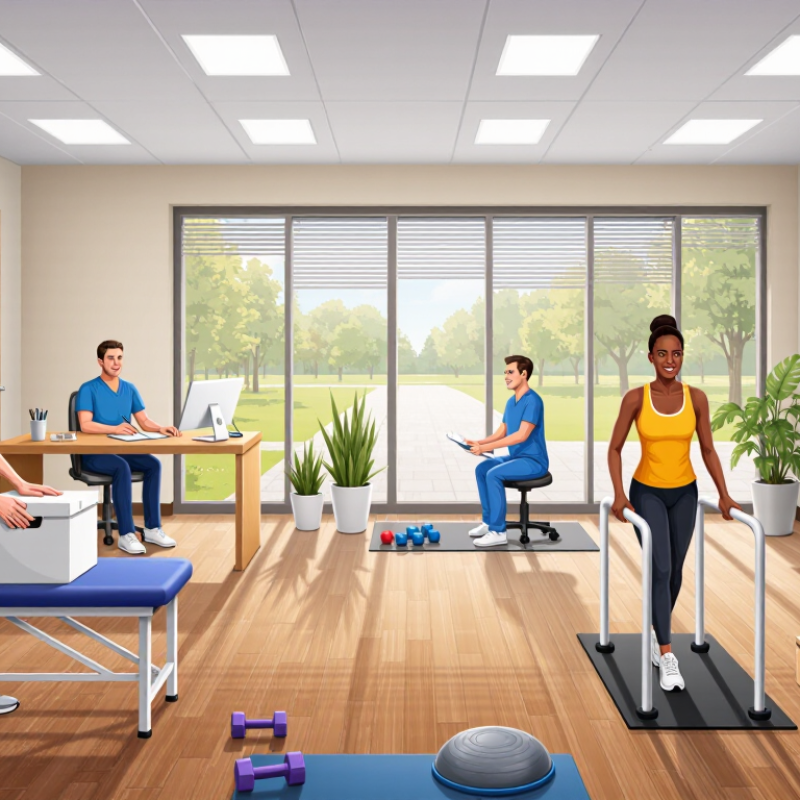
Functional restoration is a coordinated approach to rebuilding everyday ability when pain, injury, or illness disrupts life. It focuses on what a person can do, not only on symptoms. A care plan may combine graded exercise, practical education, pacing, and support for sleep or stress. The exact mix depends on the person’s health, goals, and clinical assessment.
In 2026, its role is to help people return to meaningful activities safely, such as walking to a bus stop, preparing a meal, or resuming suitable work. Progress is tracked through real tasks as well as pain levels. It is not a quick reset. Some days may feel like setbacks, and recovery does not always follow a neat line.
Tips: Choose one specific activity to practise, such as standing for five minutes while making tea. Increase effort gradually, and note how you feel later that day. Discuss persistent flare-ups or new symptoms with a qualified clinician. Small steps count. Rest matters, too. A plan may need adjustment; that is useful feedback, not failure.
Assessing Needs, Abilities, and Recovery Goals
What Are the Top Functional Restoration Methods in 2026?
A useful restoration plan starts with daily life, not a standard exercise list. Can you climb the stairs, prepare a meal, or return to work comfortably? A clinician may assess strength, balance, pain, mobility, sleep, and the demands of your home or job. Small details matter. A narrow hallway or a long commute can change which goals feel realistic.
Methods often combine graded movement, task-specific practice, occupational therapy, and strategies for managing pain and fatigue. The right mix depends on current abilities and medical history. Someone who struggles to stand may begin with supported transfers, while another person may practise lifting light grocery bags. Begin at a manageable level. Increase effort gradually, with guidance from a qualified rehabilitation professional.
Goals should be specific and meaningful: walk to the corner shop, dress without help, or complete a work shift with planned breaks. Track function, not just pain scores. Progress can be uneven, and a plan may need revision; that is not failure. Some targets may also prove unrealistic at first. Regular reviews help identify barriers, adjust activity, and keep recovery connected to what the person actually needs.
What Are the Top Functional Restoration Methods in 2026?
Assessment scales help match rehabilitation methods to a person’s needs, current abilities, and recovery goals.
The bars show each assessment’s maximum possible score, not treatment results. The scales cover different areas and are not directly comparable; clinicians use assessment findings to guide individualized goals such as improving daily independence, balance, walking, or leg function.
Comparing Physical, Occupational, and Multidisciplinary Methods
Physical restoration focuses on strength, balance, mobility, and pain-limited movement. A therapist might practise stair climbing beside a handrail or walking across a room with a cane. Occupational restoration targets daily tasks: dressing, cooking, bathing, and returning to work. It can adapt a kitchen setup or teach safer ways to lift a kettle. These approaches overlap, but their goals differ. WHO’s 2023 rehabilitation fact sheet estimates that 2.4 billion people worldwide could benefit from rehabilitation. That scale makes access and coordination important, not just exercise choice.
Multidisciplinary care combines relevant expertise, such as physical and occupational therapy with medical or psychological support. It may help when pain, fatigue, mobility, and home demands interact. A shared plan can connect clinic practice to real tasks, like carrying groceries from a car. Yet more providers do not automatically mean better care. Missed handoffs and conflicting goals can frustrate progress. One limitation: evidence and outcomes vary by condition, so a team plan should be reviewed against the person’s own functional goals.
Tips: Ask what each session is meant to improve. Track one practical task, such as standing to prepare breakfast. Tell the care team when a plan feels unrealistic; that feedback matters.
Using Digital Tools and Assistive Technologies in Restoration
Digital tools can make functional restoration more measurable and personal. Wearable sensors may track walking speed, step symmetry, or arm movement during daily tasks. A therapist can compare those readings with in-person observations and adjust exercises accordingly. For example, a short hallway walk may reveal uneven steps that feel normal to the person. The numbers still need context. A dashboard can look precise while missing pain, fatigue, or a slippery floor. It is not magic.
Assistive technologies can help people practice tasks with greater independence. Adaptive switches, voice controls, and mobility aids can make lighting, communication, or movement easier to manage. The right setup depends on the person, the task, and the home environment. Remote therapy sessions can support follow-up, but camera angles may hide a movement problem. And yes, setup can feel fussy. Devices also need proper fitting, training, and regular review; poorly adjusted equipment may cause discomfort or reinforce unhelpful movement patterns. A qualified rehabilitation professional should check progress, explain what device data can and cannot show, and help protect sensitive health information.
Measuring Outcomes and Choosing an Appropriate Approach
Functional restoration should be measured by what a person can do, not by pain scores alone.
Before treatment, record a few specific tasks: climbing one flight of stairs, carrying a grocery bag, or sitting through a work meeting. Use the same tasks again at planned intervals. A validated function questionnaire can add context, while pain, sleep, confidence, and participation help explain changes. Small changes count.
Approaches may include graded strengthening, balance practice, task-specific training, pacing, and education. For persistent pain or fear of movement, psychological support can complement physical therapy; it does not mean symptoms are imaginary. Choose methods around the person’s goals, health conditions, access, and tolerance. Track attendance and setbacks too. Not every week improves.
A useful review compares baseline results with progress after several weeks, then adjusts the plan if function stalls or symptoms worsen. A single score can mislead: someone may walk farther yet still struggle with household tasks. Discuss what improved, what did not, and whether the effort feels manageable. That conversation matters. Evidence-informed care still requires judgment, and no method works equally well for everyone.