

Patients: Please fill out the Form and Nexia will inform you whether your insurance will cover all or part of your brace.
Physician's Offices: Please call 888.670.3380 for special Wholesale Pricing for all braces.

How to Choose the Right Back Support Braces for Your Comfort and Relief?

Choosing the right back support braces can significantly enhance your comfort and provide much-needed relief. These braces are designed to stabilize your spine and reduce strain on your muscles. It’s essential to understand that the options available can vary widely.

Different back support braces serve unique purposes. Some are tailored for injury recovery, while others offer support during physical activities. Assessing your specific needs is crucial. You may find that not every brace will provide the relief you seek. Testing different options can reveal what genuinely works for your body.

Finding the ideal brace involves both research and personal experience. Recommendations from healthcare professionals are invaluable. They can guide you through options that align with your lifestyle and health requirements. Remember, comfort is key. Your choice of back support braces should empower you, making daily tasks easier instead of adding discomfort.
How to Choose the Right Back Support Braces for Your Comfort and Relief?

Understanding the Importance of Back Support Braces for Comfort

How to Choose the Right Back Support Braces for Your Comfort and Relief?

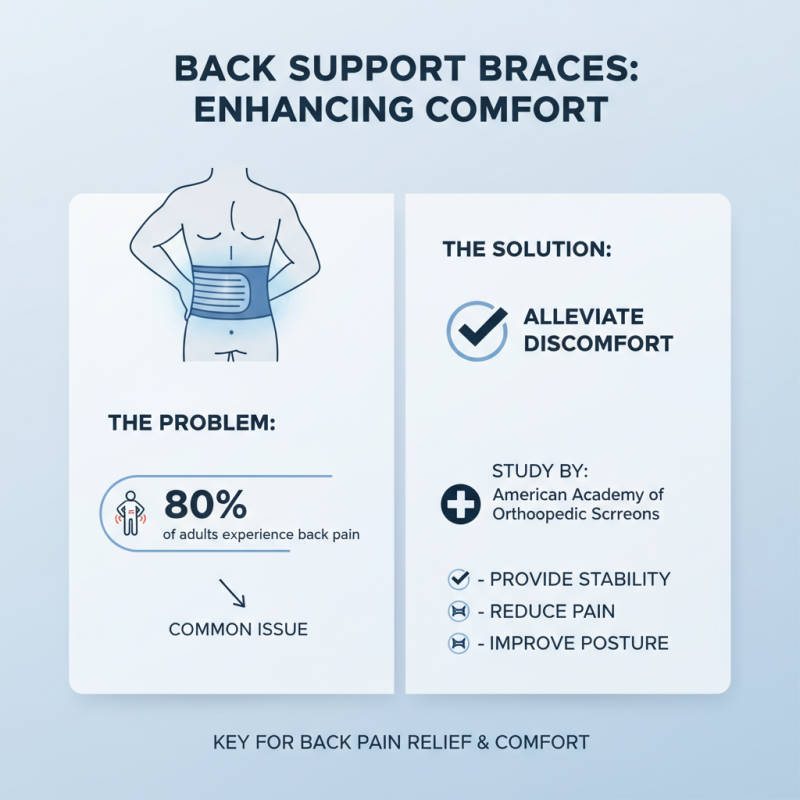
Back support braces play a crucial role in enhancing comfort for those suffering from back pain. According to a study by the American Academy of Orthopedic Surgeons, nearly 80% of adults experience back pain at some point in their lives. This prevalence underscores the importance of finding effective solutions, such as braces, to alleviate discomfort.

The use of back support braces not only offers immediate relief but also promotes better posture. A report from the National Institute of Health shows that ergonomic support can reduce strain on the spine by up to 30%. This highlights the necessity of properly fit braces, as poor fitting can lead to more issues rather than alleviate them. Many users find they need to try different types before finding the right one, which can be frustrating yet essential for long-term relief.

Many people overlook the psychological aspect of wearing braces. Some report feelings of self-consciousness or discomfort at first. Taking time to adjust is important. Not all braces offer the same benefits, and what works well for one person may not work for another. It is vital to choose a brace that fits well and feels comfortable to wear for extended periods, leading to meaningful improvement in everyday activities.

Identifying Different Types of Back Support Braces Available

Choosing the right back support brace can be overwhelming. With various options available, understanding their types is essential. Common types include lumbar braces, corsets, and posture correctors. Each type serves different needs for comfort and relief.

Lumbar braces provide support to the lower back. They often feature adjustable straps for a customized fit. These braces are suitable for everyday use, especially during physical activities. Corsets provide a more rigid structure, ideal for those needing strict support. They limit movement, ensuring the spine stays aligned. Posture correctors help retrain your spine by gently pushing your shoulders back. They are excellent for long hours at a desk.

Tips: Always measure your waist and consult size charts. A poorly fitting brace can worsen discomfort. Try on different types to find what feels best. Consider how long you plan to wear it. Excessive use may cause dependency. Listen to your body; if it doesn’t feel right, reassess your choice.

Evaluating the Key Features to Consider When Choosing a Brace

How to Choose the Right Back Support Braces for Your Comfort and Relief?

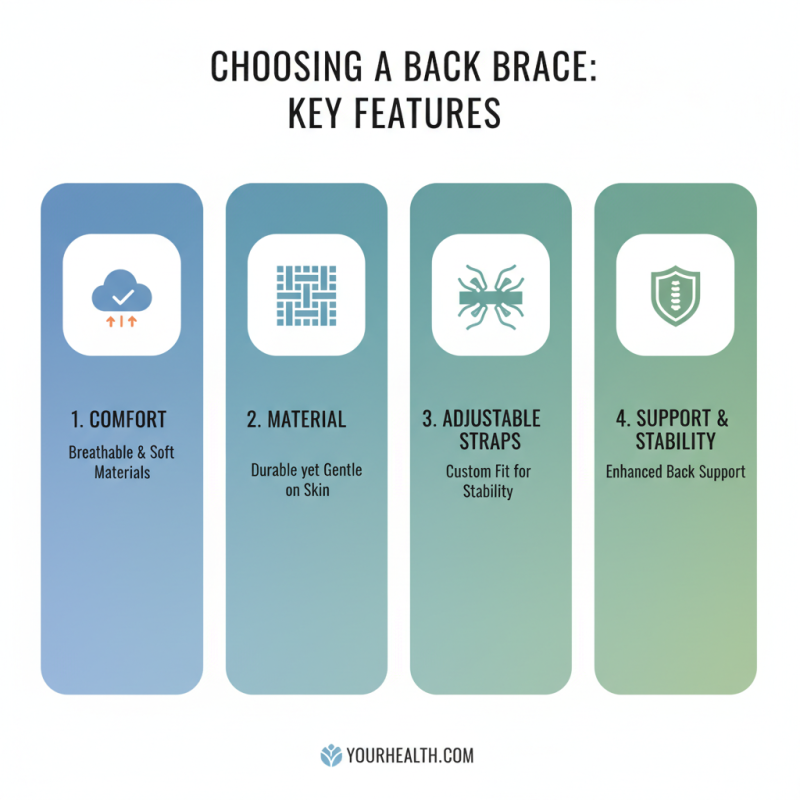
Choosing the right back support braces requires evaluating key features. Comfort is paramount. The material should be breathable yet sturdy. Consider how it feels against your skin. Look for adjustable straps. This allows for a custom fit, enhancing stability and support.

Next, think about the level of support you need. Some braces offer mild support, while others are more rigid. It’s essential to align this choice with your specific condition. A brace that is too tight might restrict movement. On the other hand, a loose fit may not provide adequate relief.

Weight also matters. A heavier brace can signal greater support but might feel cumbersome. Lightweight options are often more comfortable for daily wear. Additionally, some users overlook the importance of design. A discreet brace may be ideal for wearing under clothes. Reflect on how you plan to use the brace. Will you be active, or do you need it primarily for sitting? Your lifestyle heavily influences the right choice.

Assessing Your Specific Back Pain Needs for Optimal Relief

Choosing the right back support brace starts with understanding your specific needs. Back pain is complex. Each person's experience is unique. A one-size-fits-all approach often fails. Assess your pain location and intensity. Do you feel pain in your lower back, upper back, or both? Recognize how pain affects daily activities. This awareness is crucial for effective relief.

**Tips:** Consider the type of support you need. Some braces offer rigid support while others provide flexibility. Think about where you use the brace most. If you plan to wear it during physical activities, opt for something lightweight and breathable. Comfort is key; a brace that fits poorly can cause more harm than good.

Finally, reflect on your lifestyle. Are you sedentary or active? Your daily routine influences what type of brace will work best. Regular movement may require a different level of support compared to prolonged sitting. You may need to trial different options to find what truly works for you. Be open to adjusting choices based on your pain levels and comfort feedback. Listening to your body is essential.

Tips for Proper Fit and Adjustment of Back Support Braces

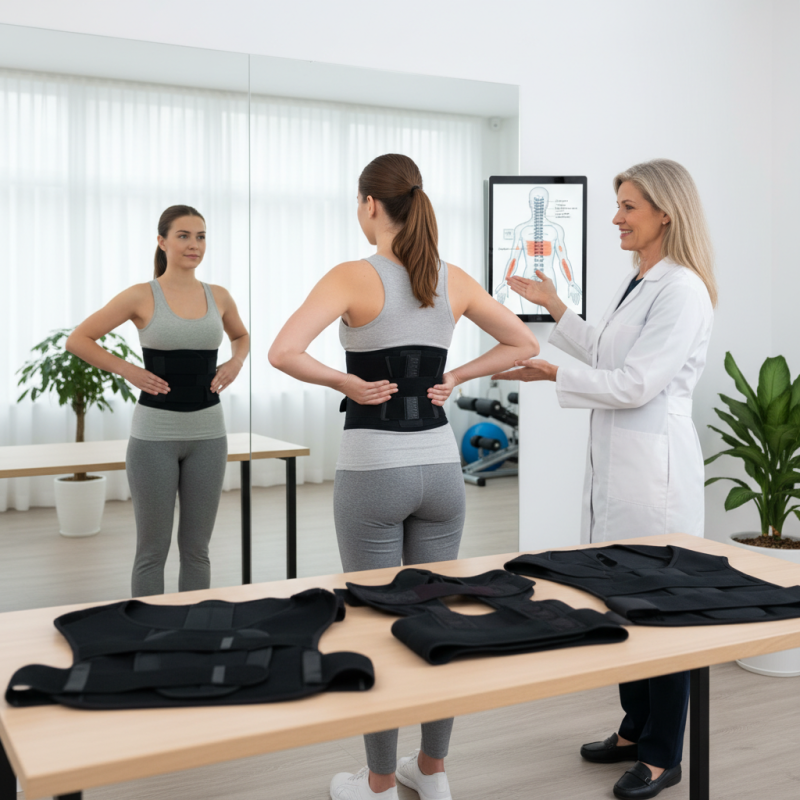
Choosing the right back support brace requires careful consideration of fit and adjustment. A properly fitted brace can provide the comfort and relief you seek. Start by measuring your waist and back to find the right size. Each brace has a specific size chart. It might take time to find the perfect match, so don't rush the process.

Tips for proper fitting include ensuring the brace is snug but not too tight. You should be able to breathe easily. If it feels uncomfortable or restricts your movement, adjust the straps. A well-fitted brace enhances support. Test the brace in various positions. Bend and twist gently to see how it holds up.

Adjusting the brace properly is crucial. Tightening too much can cause skin irritation. On the other hand, a loose brace won’t provide adequate support. Striking the right balance is essential. If the brace shifts during daily activities, it's a sign to reassess the fit. Take your time to adjust until it feels just right.

How to Choose the Right Back Support Braces for Your Comfort and Relief? - Tips for Proper Fit and Adjustment of Back Support Braces

Feature Description Benefits
Material Breathable, stretchable fabric Provides comfort for all-day wear
Support Level Light, Medium, Heavy Choose based on the severity of back pain
Size Available in various sizes (S, M, L, XL) Ensures a snug fit for optimal support
Adjustability Velcro straps, adjustable tension Allows customization for personal comfort
Design Lumbar support, ergonomic shape Promotes proper posture and spinal alignment
User Feedback Reviews and ratings from users Helps gauge effectiveness and comfort level