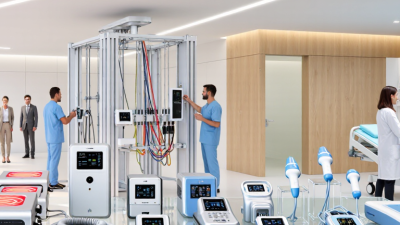
Patients: Please fill out the Form and Nexia will inform you whether your insurance will cover all or part of your brace.
Physician's Offices: Please call 888.670.3380 for special Wholesale Pricing for all braces.

What Are the Best Pain Relief Solutions from China?

What Are the Best Pain Relief Solutions from China?

Choosing Pain relief solutions from China means looking beyond product origin. The right option depends on the pain’s cause, duration, and severity. It also depends on evidence, safety, and who will use it. A compact heat wrap, a rehabilitation device, and a topical product serve different needs. They should not be treated as interchangeable.

The World Health Organization’s 2023 low-back-pain fact sheet reports that 619 million people experienced low back pain in 2020. It projects 843 million cases by 2050. These figures show the scale of the need, not proof that any particular product works. Dr. Srinivasa N. Raja, a pain physician and researcher, and his colleagues describe pain as “an unpleasant sensory and emotional experience associated with, or resembling that associated with, actual or potential tissue damage.” Their definition, published by the International Association for the Study of Pain in 2020, helps explain why relief can differ from person to person.

This guide examines Chinese-made options such as heat therapy, transcutaneous electrical nerve stimulation, topical products, and rehabilitation equipment. It considers practical details: clear instructions, comfortable contact surfaces, verifiable manufacturer information, and relevant regulatory documentation. Claims deserve careful scrutiny. A polished device can still have limited evidence, and a market report cannot replace clinical guidance. This comparison is imperfect, but useful: buyers should check the evidence for each product and consult a qualified clinician when pain persists or worsens.
What Are the Best Pain Relief Solutions from China?

Understanding Pain Relief and Its Role in Chinese Healthcare

Pain relief in China is part of broader healthcare, not a single remedy. A clinician may ask when pain began, what worsens it, and how it affects sleep or movement. For a sore knee, that could mean discussing stairs, swelling, and walking distance. The plan depends on the cause, health history, and personal needs. Some details are easy to overlook, especially when pain changes from day to day.

Tips: Keep a brief pain diary. Note its location, intensity, and triggers. Bring a list of medicines and supplements to appointments. Seek prompt medical care for sudden severe pain, new weakness, or pain after a serious injury.

Chinese healthcare may include conventional assessment and, where appropriate, traditional practices such as acupuncture or therapeutic exercises. Evidence and suitability vary by condition, so ask what benefit is expected and what risks apply. Tell each practitioner about other treatments you use. Pain relief can take adjustment; one approach may help briefly but not solve the cause. A licensed clinician can help monitor progress and reconsider the plan when daily activities remain difficult.
Traditional Chinese Medicine Approaches to Pain Management

What Are the Best Pain Relief Solutions from China?
Traditional Chinese Medicine Approaches to Pain Management

Traditional Chinese medicine (TCM) offers several approaches to managing pain, including acupuncture, tai chi, and therapeutic exercises such as qigong. Acupuncture uses fine needles at selected points. Research suggests it may help some people with chronic back, neck, or osteoarthritis pain, though results vary. A qualified practitioner should ask about your health history, explain the procedure, and use sterile, single-use needles. It should complement—not replace—medical assessment, especially when pain is severe, sudden, or worsening.

Gentle movement can also be practical. Tai chi’s slow weight shifts and controlled breathing may support mobility and balance, particularly for some people with persistent joint pain. Start with a short, supervised session and adjust movements that trigger discomfort. Small steps matter. Herbal products require extra caution: ingredients can interact with medicines, and quality differs between products. Discuss them with a doctor or pharmacist before use. Evidence for individual remedies is uneven, and traditional use alone does not prove effectiveness. A simple pain diary—recording activities, symptoms, and sleep—can help you and your clinician judge whether an approach is helping. Progress may be gradual, and sometimes a treatment simply does not suit a person.

What Are the Best Pain Relief Solutions from China? - Traditional Chinese Medicine Approaches to Pain Management

Approach Commonly considered for What the evidence suggests Safety and practical considerations
Acupuncture Some chronic pain conditions, including low-back pain, osteoarthritis-related pain, and tension-type headache. Clinical research suggests it may provide modest relief for some people. Results vary by condition, study, and comparison treatment; it is not a guaranteed cure. Choose a properly trained practitioner who uses sterile, single-use needles. Minor soreness or bruising can occur; serious complications are uncommon but possible.
Tai chi Ongoing musculoskeletal discomfort, balance and mobility goals, and some people with knee osteoarthritis or chronic low-back pain. Studies suggest possible improvements in pain, physical function, or quality of life for some groups. Benefits usually require regular practice, and the evidence is not equally strong for every condition. Often adaptable to different fitness levels. People with significant mobility limitations should seek guidance on safe modifications.
Tuina (Chinese therapeutic massage) Muscle tension and some types of musculoskeletal discomfort. Evidence is limited and varies by condition. Hands-on treatment may offer short-term symptom relief, but it should not replace diagnosis or necessary medical care. Tell the practitioner about injuries, osteoporosis, blood-thinning medicines, or other health conditions. Avoid forceful treatment over fractures, severe swelling, or unexplained pain.
Moxibustion Used in some traditional practices for musculoskeletal symptoms and other complaints. Research findings are mixed, and the quality of evidence for pain relief is generally limited. It is not established as a stand-alone treatment for pain conditions. Burns, blisters, and smoke irritation are possible. Extra caution is needed for people with reduced skin sensation, respiratory sensitivity, or difficulty communicating discomfort.
Chinese herbal medicines Traditional formulas may be used for a range of pain complaints, depending on the practitioner and the individual. Evidence differs substantially between products and conditions. Findings for one formula cannot be assumed to apply to another, and many products lack strong, consistent clinical evidence. Herbs can cause side effects and interact with prescription medicines. Product quality and ingredients may vary; consult a qualified clinician and disclose all supplements, especially during pregnancy or before surgery.
Acupressure Self-care for some people seeking temporary relief from muscle tension or discomfort. Evidence is condition-specific and limited. It may be used as a complementary comfort measure, not as a substitute for proven treatment. Use gentle pressure and stop if pain, numbness, or bruising occurs. Avoid pressing directly on an injury, inflamed area, or broken skin.
Important: The most suitable approach depends on the cause of pain, medical history, and personal preferences. Traditional Chinese medicine methods are generally best considered as part of a care plan developed with a qualified healthcare professional. Seek urgent medical care for sudden severe pain, pain after a serious injury, new weakness or numbness, chest pain, or pain accompanied by fever or difficulty breathing.

Modern Therapies and Medical Devices Developed in China

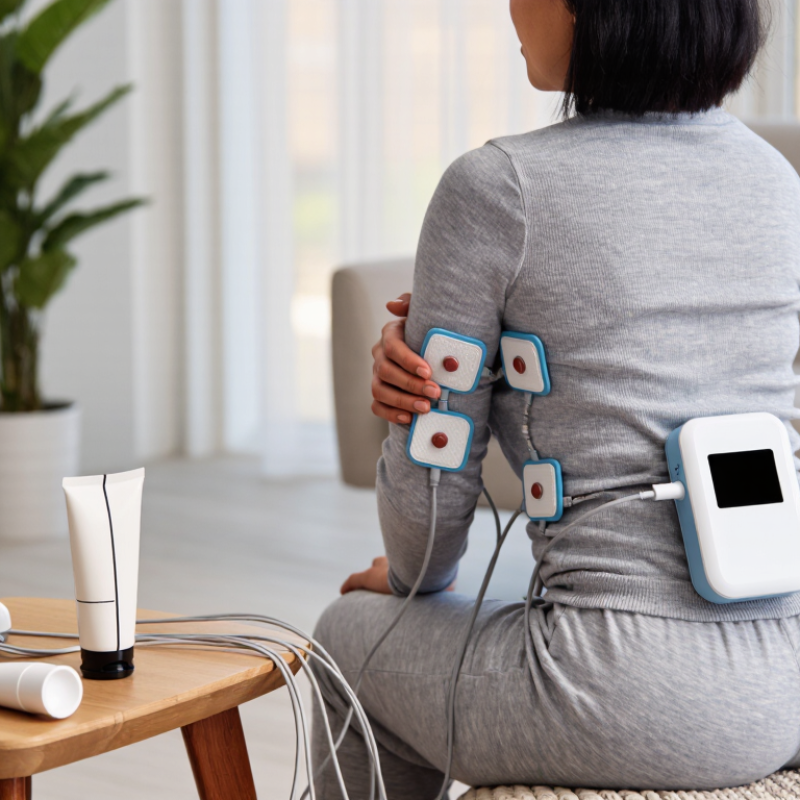
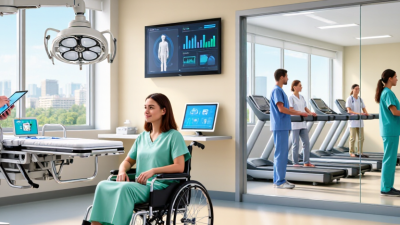
China’s pain-care technology is moving beyond tablets. Developers are refining low-frequency electrical stimulation, wearable heat systems, portable ultrasound, and rehabilitation robots. A patient might use a slim heat wrap at home, then practise guided movement with a therapist. The device should support care, not replace diagnosis. Fit matters.

The World Health Organization’s 2022 Global Report on Assistive Technology estimates that 2.5 billion people need one or more assistive products. That number could reach 3.5 billion by 2050. WHO also estimates that 2.4 billion people could benefit from rehabilitation. These figures point to a real need for accessible, practical tools, including devices that help people manage pain while rebuilding movement.

For buyers and clinicians, useful details include adjustable settings, clear safety instructions, cleaning requirements, and evidence for the specific condition. A stimulation device that feels comfortable may still offer limited benefit for one person. Results vary. Chinese-made devices can bring compact designs and digital monitoring into clinics and homes, but sensors do not automatically make treatment better. The evidence is uneven, and long-term outcomes deserve more attention. Pain relief should be reviewed over time, alongside function, sleep, and unwanted effects.

Evidence, Safety, and Regulation of Chinese Pain Relief Solutions

Chinese pain relief can include acupuncture, therapeutic exercise, heat, and traditional herbal preparations. These approaches should be judged by evidence for a specific condition, not by their origin. Research suggests acupuncture may ease some chronic pain, but effects vary and study quality is uneven. That matters. A treatment that helps one person may do little for another.

Herbal products need extra scrutiny. Ingredients, concentrations, and quality can differ between batches, while evidence for many formulas remains limited. Some ingredients may interact with blood thinners, diabetes medicines, or pain relievers. Ask a qualified clinician or pharmacist to review the exact label, especially during pregnancy or before surgery. I would not treat “traditional” as a safety guarantee; that assumption is easy to make.

Regulation depends on where a product is sold. A product permitted in China may not have the same authorization or accepted health claims elsewhere. Look for clear ingredient lists, manufacturer details, batch numbers, and independent testing for contaminants. For persistent, severe, or new pain, seek medical assessment rather than delaying care. A practical trial should have a defined goal, such as walking farther, and a stopping point if symptoms worsen. Keep records. Evidence is imperfect, too.

How to Compare Options for Different Types of Pain

When comparing pain-relief options from China, match the method to the pain, not just the product description. A sore shoulder after lifting may respond to a topical treatment or a wrapped cold pack. Widespread or persistent pain needs a different assessment. Numbness, tingling, or burning can suggest nerve-related pain; a patch designed for muscle soreness may not address its cause. Pain differs.

The World Health Organization’s 2022 musculoskeletal health fact sheet estimates that 1.71 billion people live with musculoskeletal conditions and identifies low back pain as a leading cause of disability. That scale makes clear why one solution cannot suit everyone. For any option, check the active ingredients, intended use, warnings, and whether the manufacturer provides traceable quality documentation and relevant clinical evidence. Oral medicines may affect the whole body, so existing conditions and other medicines matter; ask a clinician or pharmacist when unsure. Heat, gentle movement, or a properly selected topical product can help some minor aches, but results vary. One limitation in comparing products is that clear evidence may not be available for every pain type. If pain is severe, worsening, or persistent, seek professional assessment rather than relying on product claims.