Patients: Please fill out the Form and Nexia will inform you whether your insurance will cover all or part of your brace.
Physician's Offices: Please call 888.670.3380 for special Wholesale Pricing for all braces.

10 Best Medical Support Devices for Global Buyers?

Medical support devices can make daily movement safer, steadier, and less tiring when they match a person’s needs. For global buyers, choosing one involves more than comparing prices. Fit, comfort, intended use, product instructions, and local availability all matter. A wrist brace that feels supportive in a shop may rub after several hours. Small details count.

This guide introduces 10 medical support devices worth considering, from mobility aids to braces and other everyday supports. It is not a clinical ranking or a substitute for professional advice. A clinician can help identify suitable features, especially when pain, limited mobility, or an existing condition affects the choice. Buyers should also review manufacturer specifications, size charts, care instructions, and warranty terms before ordering. Clear information is reassuring. Vague claims are not.

Global purchasing adds practical complications. Delivery times, replacement parts, sizing conventions, and after-sales support can differ between sellers and regions. Product standards and availability may vary too, so check the details that apply where you live. No shortlist can predict every user’s experience. That is a limitation worth keeping in mind. A device that works well for one person may feel awkward or unsuitable for another. The selections ahead focus on common uses and useful comparison points, helping readers ask better questions before buying—not promising a perfect fit.

10 Best Medical Support Devices for Global Buyers?

What Medical Support Devices Are and Who Uses Them

10 Best Medical Support Devices for Global Buyers?

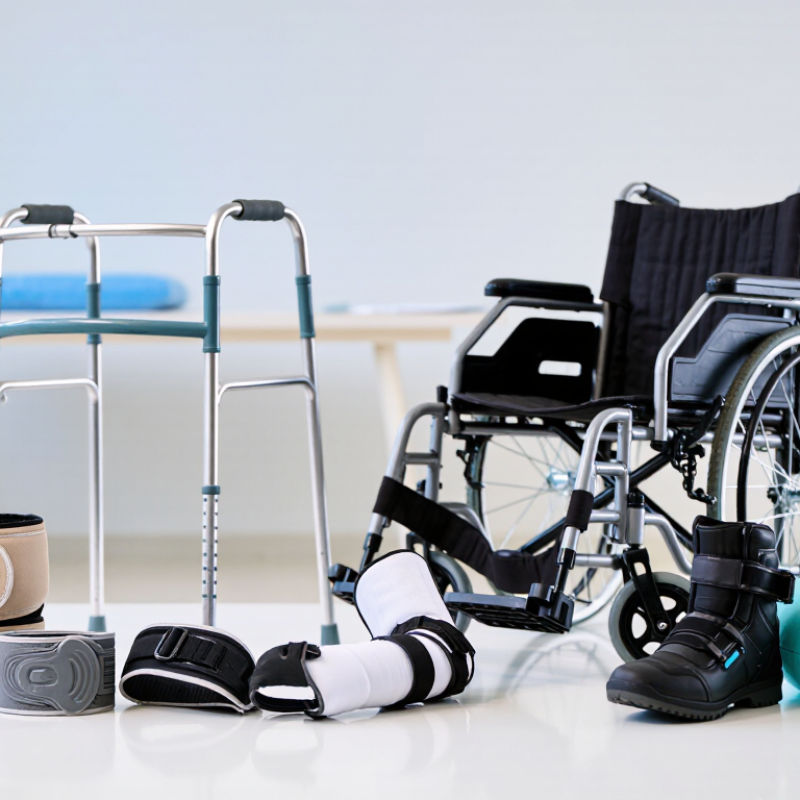
Medical support devices help people move, stabilize joints, prevent injury, or recover independence. Common examples include walkers, crutches, wheelchairs, orthopedic braces, compression supports, transfer aids, and posture supports. Users include older adults, rehabilitation patients, people with disabilities, athletes, caregivers, and workers recovering from musculoskeletal injuries.

The World Health Organization and UNICEF reported in the Global Report on Assistive Technology that more than 2.5 billion people need assistive products worldwide. This figure may reach 3.5 billion by 2050. WHO also estimates that 1.3 billion people experience significant disability. These figures show why support devices require more than simple price comparisons. A walker should suit the user’s height, balance, home layout, and hand strength. A brace needs correct sizing and suitable clinical guidance.

Fit matters. So does training.

Global buyers should review load capacity, material durability, cleaning requirements, adjustment ranges, and replacement-part access. ISO 13485 is widely recognized for medical-device quality management, but certification alone does not guarantee a suitable product for every user. Local clinicians should assess fit, especially for mobility aids and compression devices. A poorly adjusted support can create pressure, discomfort, or unsafe movement. That risk is easy to underestimate.

The WHO report also highlights unequal access caused by cost, limited services, and weak supply chains. Buyers may need to compare total ownership costs, not only purchase prices. A low-cost device can become expensive when repairs, training, or imported parts are unavailable. Specifications help, but real users reveal practical weaknesses. I would not treat any ranking as permanent. User feedback and clinical review should change procurement decisions.

How to Evaluate Safety, Fit, and Medical Purpose

10 Best Medical Support Devices for Global Buyers?

How to Evaluate Safety, Fit, and Medical Purpose

Choosing a support device starts with the person, not the product description. A wrist brace, walking aid, or adjustable bed rail must match the user’s condition, strength, and daily routine. Check whether the device is intended for temporary support, mobility assistance, or another clearly stated medical purpose. A broad claim like “improves comfort” is not enough. Look for clear instructions, cleaning guidance, and stated limits on use. When needs are complex, ask a qualified healthcare professional to assess fit and suitability.

Fit matters in small details. A walking aid should feel stable on the floor and sit at a suitable height; a brace should not cause numbness, pinching, or persistent skin marks. Test adjustments while seated or standing, as relevant, and check that fasteners stay secure during ordinary movement. Safety information should be readable and specific, including weight limits where applicable. Details vary. That can be frustrating, and product descriptions do not always answer every question.

Tips: Measure the intended area before ordering. Confirm sizing units, return conditions, and replacement-part availability. Inspect seams, grips, and locking points on arrival, then follow the supplied instructions. Stop using a device if it causes pain, skin damage, or unusual instability, and seek professional guidance. Even a well-made aid may need adjustment; a little doubt is worth checking.

Ten Essential Medical Support Devices for Global Buyers

Global buyers need practical medical support devices that suit patients, caregivers, and local care environments. Ten essential options include wheelchairs, walkers, canes, crutches, transfer boards, patient lifts, shower chairs, commode chairs, pressure-relief cushions, and adjustable hospital beds. Each device should match the user’s mobility, weight, strength, and living space. A wheelchair may need to pass through narrow doorways. A walker needs stable rubber tips and comfortable hand grips. A transfer board should feel smooth and strong during movement.

Reliable purchasing requires more than comparing prices. Check load ratings, material quality, cleaning instructions, warranty terms, and replacement-part availability. Ask for test reports and clear user manuals. Confirm that electrical devices match local voltage requirements. Professional assessment matters, especially for lifts, beds, and pressure-relief products. A device can look suitable online but feel unsafe beside a real bed or bathroom. No device fits every home. That assumption deserves reconsideration. Lower prices may create higher costs through repairs, training, or unsuitable sizing.

Tips: Measure doorways, bed heights, and bathroom spaces before ordering. Request product dimensions in centimeters and kilograms. Train caregivers with practical demonstrations, not written instructions alone. Inspect wheels, brakes, straps, cushions, and cables before use. Keep a simple maintenance record. I may overlook regional care habits, so local clinicians and users should review the final selection.

Comparing Materials, Standards, Costs, and Suppliers

Global buyers should compare support devices by intended use, skin contact, cleaning method, and repair access—not unit price alone. Materials behave differently. Aluminum frames can reduce weight, while padded textiles improve comfort but may retain moisture. Silicone or thermoplastic components need clear cleaning instructions and material disclosures. Fit matters. The World Health Organization’s Global Report on Assistive Technology (2022) estimates that 2.5 billion people need one or more assistive products, while nearly one billion lack access. That demand makes reliable sizing, replacement parts, and local service important purchasing criteria.

Standards help buyers ask better questions. ISO 13485 addresses quality management for medical devices, and ISO 14971 provides a framework for risk management; neither alone proves a product suits every user or market. Request certificates with their scope, test reports, material specifications, traceability details, and realistic lead times. Compare total landed cost, including fitting, shipping, maintenance, and replacement components. A cheaper device may become expensive if parts are unavailable. Supplier comparisons can still miss something: comfort varies between users, and paper specifications cannot fully predict daily wear. I would ask for sample units and evaluate them under actual cleaning and use conditions before placing a large order.

How to Purchase, Use, and Maintain Devices Internationally

10 Best Medical Support Devices for Global Buyers

How to Purchase, Use, and Maintain Devices Internationally

Choosing medical support devices across borders requires more than comparing prices. Useful options include mobility aids, blood pressure monitors, pulse oximeters, glucose meters, nebulizers, transfer chairs, orthopedic braces, hearing support devices, digital thermometers, and adjustable care beds. Each device should match a documented clinical need, not a persuasive product photo. Ask a qualified healthcare professional to confirm the correct size, features, and usage limits.

Check the device’s approval status in the destination country. Requirements differ between regions. Confirm electrical voltage, plug type, language options, warranty coverage, and replacement-part availability before ordering. Request clear instructions, batch information, and service contacts. For connected devices, examine data security and offline functions. A low purchase price can become expensive when calibration or repairs are unavailable locally. Do not assume international shipping includes installation or clinical training.

Use the device exactly as instructed, even when the design looks familiar. Record readings with dates and times. Clean contact surfaces after use, and keep batteries dry and accessible. Inspect straps, cables, wheels, seals, and screens regularly. Some monitoring devices need periodic calibration by an approved technician. Store them away from heat, moisture, and direct sunlight. No checklist is perfect; buyers may overlook family training, translation quality, or emergency support. Recheck those details before payment and again after delivery.Winvalid