
Patients: Please fill out the Form and Nexia will inform you whether your insurance will cover all or part of your brace.
Physician's Offices: Please call 888.670.3380 for special Wholesale Pricing for all braces.

7 Tips for Buying Mobility Support Devices

Choosing Mobility support devices is not a small shopping decision. A cane, walker, wheelchair, or transfer aid can change daily safety, confidence, and independence.

The World Health Organization’s Global Report on Assistive Technology (2022) estimates that more than 2.5 billion people need at least one assistive product. That number may rise beyond 3.5 billion by 2050. WHO also reports that about 1.3 billion people experience significant disability worldwide. These figures show a growing need for practical, well-fitted support. They do not make every product suitable.

A device may look stable in a showroom but feel awkward on a narrow staircase. Rubber tips can slip on wet tiles. A walker may fit the user yet block a small bathroom doorway. This guide presents seven practical tips for buying Mobility support devices, including fit, weight capacity, adjustability, braking systems, portability, maintenance, and professional guidance. Each point connects product features with real routines. A physical therapist, occupational therapist, or qualified mobility specialist can assess posture, gait, strength, and home hazards. That advice is often more valuable than a polished product description.

Still, no checklist is perfect. Personal comfort can be difficult to measure before regular use. Product labels may also leave important details unclear. Buyers should test the device when possible and ask specific questions about warranty coverage, replacement parts, and safe operation. A careful choice should support movement without creating new strain. Safety comes before appearance.

7 Tips for Buying Mobility Support Devices

Assess Your Mobility Needs and Daily Environment

Assess Your Mobility Needs and Daily Environment

Choosing a mobility support device should begin with your real routines, not a showroom demonstration. The World Health Organization’s Global Report on Assistive Technology estimates that 2.5 billion people need at least one assistive product worldwide. That figure may rise beyond 3.5 billion by 2050. Your needs still remain personal.

Walk through a typical day before comparing devices. Measure doorway widths, bathroom clearance, stair height, and the distance to your mailbox. Notice slippery tiles, uneven sidewalks, dim hallways, and crowded public transport. A device that works indoors may feel unstable on gravel or wet pavement. Check whether you can lift it into a car. Also consider fatigue after several hours, not just your first five minutes.

Ask a qualified clinician or mobility specialist to assess posture, balance, strength, and walking patterns. The Rehabilitation Engineering and Assistive Technology Society of North America emphasizes individualized assessment and proper fitting. Handle the device with your usual shoes and clothing. Try turning beside a kitchen counter. Test the brakes on a gentle slope. Small details matter.

No checklist catches everything. It is easy to underestimate storage space, maintenance, or the effort needed to fold a device. Reassess after using it at home for several days. If your shoulder aches or your route becomes slower, that is useful evidence, not failure. A safer choice often fits your environment quietly, without forcing your body to adapt.

Compare Device Types, Features, and Suitable Use Cases

7 Tips for Buying Mobility Support Devices

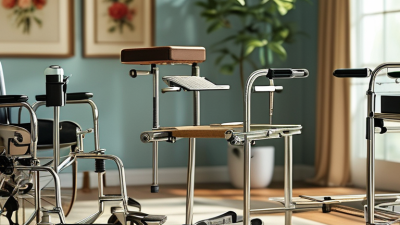
Choosing a mobility device starts with the user’s daily environment. A cane may suit someone needing light balance support on level floors. A standard walker offers more stability but can feel awkward on stairs or uneven paths. A rollator adds wheels, hand brakes, and often a seat. It suits users who need rest breaks and controlled outdoor movement. Wheelchairs provide seated mobility, but they require suitable doorways, ramps, and transfer plans.

Tip: Compare features with real routines, not advertisements. Check handle height, grip comfort, brake response, frame weight, and weight capacity. For a rollator, test whether the seat is stable and easy to reach. For a wheelchair, measure home doorways and turning spaces. A mobility scooter may support longer distances, yet storage and transport can become difficult. Small details matter.

Tip: Ask a qualified healthcare professional or mobility specialist to assess posture, strength, and walking pattern. Poor fitting can increase fatigue or fall risk. Try the device on the surfaces you use most. Tile, carpet, gravel, and wet pavement feel very different. A perfect choice rarely exists. I have seen people focus on appearance, then regret ignoring weight and maneuverability. Reconsider your priorities after a short trial, and involve the regular user in every decision.

Check Fit, Adjustability, Comfort, and Ease of Operation

7 Tips for Buying Mobility Support Devices

Buying a mobility support device should begin with your body, not a product photo. Measure your hand height while wearing usual shoes. Ask a physiotherapist or occupational therapist to check posture, balance, and walking pattern. A device that sits too high can lift your shoulder. One that sits too low may increase wrist pressure. Fit matters.

During a supervised trial, walk across several surfaces, including tile and carpet. Check whether the handles remain steady without forcing your wrists inward. Look for simple height adjustments and secure locking points. Adjustability helps when swelling, footwear, or daily strength changes. Read the stated weight limit carefully. It is not a decorative number. I once underestimated how tiring a “light” device could feel after ten minutes, so short testing can be misleading.

Comfort should include grips, seat padding, straps, and contact points near the body. Try the device with a coat, since winter clothing can change the fit. Ease of operation matters when your hands are weak or painful. Brakes, hinges, and buttons should respond without excessive force. Practice folding and unfolding it several times. Do not rely on memory alone. Keep the instructions nearby and ask for a demonstration if anything feels unclear. A stable device is useful only when you can control it confidently. Sometimes the most attractive option is not the safest one.

7 Tips for Buying Mobility Support Devices

Check fit, adjustability, comfort, and ease of operation before choosing a mobility support device.

The chart shows the number of practical checks in a pre-purchase screening framework. Prioritize fit, stability, adjustability, comfort, and ease of operation, then consider portability and maintenance needs.

Review Safety Standards, Durability, and Maintenance Requirements

7 Tips for Buying Mobility Support Devices

Safety should guide every purchase, not just price. The WHO and UNICEF Global Report on Assistive Technology (2022) estimates that more than 2.5 billion people need assistive products worldwide. That scale makes proper assessment essential. Ask whether the device meets relevant national standards and testing requirements. For wheelchairs, the ISO 7176 series covers stability, braking, strength, and performance tests. Standards vary for walkers, canes, and transfer aids. Request clear documentation.

Inspect the device at hand height, not only in a showroom photograph. Check welds, grips, hinges, fasteners, and wheel locks for movement or sharp edges. Confirm the user’s weight, height, posture, and environment match the stated limits. A device can feel strong yet fail on wet tiles or uneven pavement. Durability also depends on storage, cleaning, and daily loading. Ask how often brakes, tires, tips, batteries, and folding joints require inspection. Keep a simple maintenance record. It helps reveal repeated faults.

Small details matter. Replacement parts should be available locally. Instructions must be readable. A professional fitting from a qualified therapist or mobility specialist can prevent unsafe pressure and poor balance. My checklist can still miss something. A short home trial may expose problems that a shop cannot. If the device rattles, slips, or causes numbness, stop using it and seek an assessment. A safety label is useful, but it is not proof of suitable design or reliable long-term performance.

Evaluate Prices, Warranties, Trial Options, and Professional Guidance

Buying a mobility support device requires more than comparing sticker prices. The World Health Organization reports that over 2.5 billion people need assistive products worldwide. That need may reach 3.5 billion by 2050. Choose equipment for your daily routes, not showroom appearance. Measure doorways, floor gaps, vehicle storage, and handle height. Ask whether the device supports your weight and turning style. A cheaper model can become expensive after repairs.

Request a complete cost sheet. Include delivery, fitting, batteries, replacement tips, maintenance, and return shipping. Read the warranty carefully. Check coverage periods, exclusions, labor costs, and whether misuse language is vague. A useful trial should allow indoor and outdoor testing. Walk on carpet, ramps, wet pavement, and uneven sidewalks. Keep the receipt and record any discomfort. The Centers for Disease Control and Prevention states that more than one in four adults aged 65 and older report falling each year. A device that feels stable in a store may behave differently outside.

Professional guidance adds practical protection. An occupational or physical therapist can assess posture, grip strength, gait, and transfer technique. Ask for written fitting instructions and follow-up support. WHO’s Global Report on Assistive Technology emphasizes appropriate products, trained support, and ongoing services. Be honest about your habits. I once underestimated storage needs; the device stayed folded beside a doorway and created a new obstacle. Trial periods help expose these inconvenient truths. Ask how quickly adjustments are made, and whether unused accessories can be returned.